


Essential Summer Wellness Checks for Exotic Pets in Palmetto
Essential Summer Wellness Checks for Exotic Pets in Palmetto
Summer in Georgia brings long, sunny days and plenty of warmth—conditions that can be challenging for exotic pets like birds, reptiles, and small mammals. Whether you share your home with a vibrant parrot, a curious bearded dragon, or an energetic rabbit, the heat and humidity of July can present unique risks to their health and comfort. At SweetWater Veterinary Hospital, located at 815 Weldon Road, Palmetto, GA 30268, our veterinary team understands how vital it is to keep your unique companions thriving all summer long. In this blog, we will explore why routine wellness examinations are so important for exotic animals during the summer, highlight common seasonal health issues, and explain how our team supports local families and their extraordinary pets throughout Palmetto and surrounding communities.
We know that caring for exotic species involves more than just love; it requires specialized knowledge and proactive veterinary support. With summer’s increased temperature and humidity, the risks of dehydration, heat stress, and infectious disease rise significantly for exotic pets. Our comprehensive approach to exotic pet care is designed to address these seasonal challenges, helping you spot warning signs and keep your companion animals safe and healthy. Read on to learn about key summer health risks, what to watch for, and how SweetWater Veterinary Hospital in Palmetto can help you safeguard your pet’s wellbeing during the hottest months of the year.
Recognizing Signs of Summer Stress in Exotic Pets
Exotic pets are masters at hiding illness, which can make early detection of health problems challenging. However, there are specific symptoms and behavioral changes that may indicate your bird, reptile, or small mammal is struggling with the demands of summer. For birds, warning signs include open-mouth breathing, holding the wings away from the body, fluffed feathers, excessive vocalization, lethargy, or sudden feather loss. Reptiles such as snakes, lizards, and turtles may show signs of overheating by becoming unusually inactive, refusing food, or seeking out cooler spots in their enclosure. You might also notice abnormal shedding, gaping, or increased water consumption. Small mammals like rabbits, guinea pigs, ferrets, and rats can experience rapid breathing, drooling, lack of appetite, panting, or even collapse if temperatures climb too high.
Behavioral changes are just as important to monitor as physical symptoms. If your exotic pet suddenly avoids interaction, spends more time hiding, or shows changes in its droppings or urination, these could signal underlying heat stress, dehydration, or illness. Because many exotic species are prey animals, they instinctively mask symptoms until a problem becomes severe. That’s why prompt attention to any unusual behavior is so important, particularly during the unpredictable heat of a Georgia summer.
Why Do Exotic Pets Face Unique Summer Risks?
The summer climate in Palmetto poses particular challenges to exotic animals, largely due to their natural history and unique physiological needs. Birds, especially tropical or subtropical species, may appear well-adapted to heat but can suffer quickly if indoor temperatures rise or humidity levels fall out of their safe range. Many pet birds are sensitive to drafts, rapid temperature changes, and the effects of direct sunlight near windows. Overheating and dehydration are common concerns, especially if birds are housed in poorly ventilated rooms.
Reptiles are ectothermic, relying on environmental temperatures to regulate their body heat. While summer warmth can be beneficial, excessive heat or improper humidity can lead to skin issues, respiratory infections, and even life-threatening metabolic disturbances. Outdoor enclosures or glass habitats can become dangerously hot, especially if direct sunlight is involved.
Small mammals, such as rabbits, guinea pigs, ferrets, and rats, have limited ways to cool themselves. Most cannot sweat or pant efficiently, making them highly vulnerable to heat stroke. Thick fur and poor ventilation compound the problem, while high humidity can also increase the risk of respiratory illness and bacterial or fungal infections. For all exotic pets, summer often brings increased insect activity and potential exposure to parasites.
In addition, the stress of environmental changes, travel, or household disruptions during summer vacations can weaken your pet’s immune system, making routine wellness checks even more important during this season.
Professional Wellness Examinations: What to Expect
An annual or biannual wellness examination is one of the most important steps you can take to keep your exotic pet healthy, especially during high-risk months. At SweetWater Veterinary Hospital, our veterinarians are experienced in the specialized needs of birds, reptiles, and small mammals. During a wellness examination, we will assess your pet’s weight, hydration, body condition, and vital signs. For birds, this may include a thorough evaluation of feather quality, beak and nail length, and respiratory health. Our team checks for signs of mites or other parasites, examines droppings for abnormalities, and discusses any changes you have noticed at home.
For reptiles, a comprehensive exam involves assessing the skin, eyes, mouth, and vent, as well as reviewing the husbandry details like enclosure temperature, humidity, and UVB lighting. We may recommend physical examinations for lizards, physical exams for snakes, or physical examinations for turtles and tortoises depending on your pet’s species and needs.
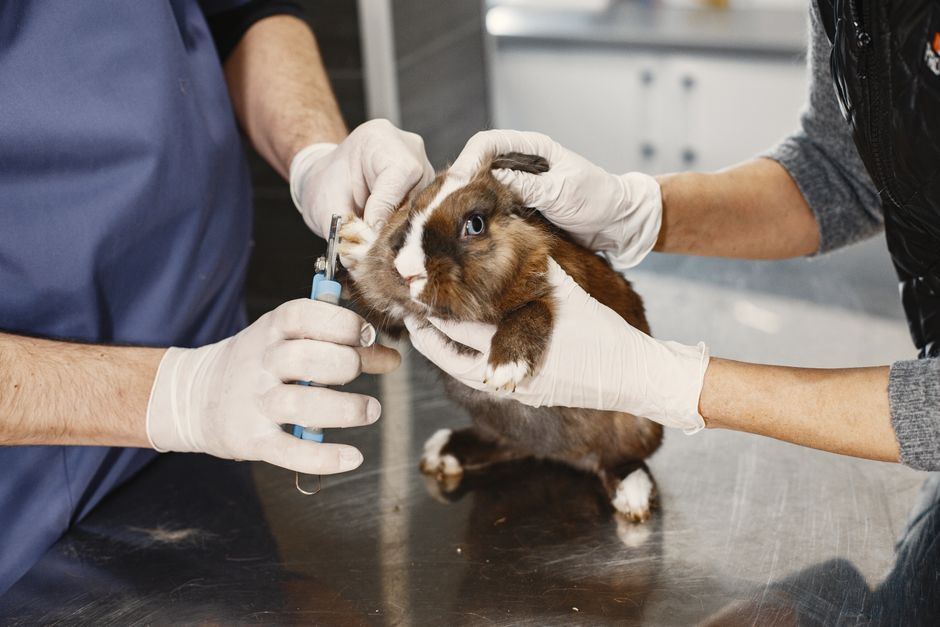
Small mammals benefit from dental checks, fur and skin assessments, and thorough evaluations for respiratory or gastrointestinal issues. For species such as guinea pigs, rabbits, ferrets, and rats, our team offers tailored services including physical examinations for guinea pigs, physical examinations for rabbits, health check-ups for ferrets, and physical examinations for rats.
Our veterinarians also provide individualized recommendations on diet, hydration, safe summer housing, and parasite prevention. By catching subtle signs of disease early, these visits help ensure your pet receives prompt treatment before problems become severe.
Preventing Summer Health Issues at Home
While professional veterinary care is crucial, there are many steps you can take at home to help your exotic pet stay healthy during the hottest months. For birds, ensure their enclosure is away from direct sunlight and drafts, and offer fresh, cool water daily. Providing mist baths or shallow dishes for bathing can help keep feathers in top condition. Monitor indoor humidity, especially for species that require specific ranges, and avoid using nonstick cookware, which can release dangerous fumes.
Reptile owners should check enclosure temperatures with reliable thermometers and adjust heating devices to prevent overheating. Ensure your reptile’s habitat has both warm and cool zones, proper UVB lighting, and appropriate humidity levels for the species. Never place tanks or enclosures near windows where sunlight can dramatically raise temperatures.
With small mammals, keep cages in well-ventilated, air-conditioned rooms, and avoid outdoor playtime during peak heat. Provide ceramic tiles or frozen water bottles wrapped in towels for cooling, and check that water bottles or bowls are always full and functioning. Observe for signs of panting, drooling, or lethargy. Good hygiene and regular cleaning of enclosures help prevent infection and parasite buildup, which can be worse during humid months.
Finally, familiarize yourself with your specific animal’s normal behaviors and routines. Changes in eating, activity, or appearance warrant a call to your veterinarian for guidance.
When Should You Seek Veterinary Care?
Knowing when to contact your veterinary team is essential for exotic pet owners. If you notice sudden changes in your animal’s behavior, breathing difficulties, loss of appetite, persistent lethargy, abnormal droppings, or any signs of heat distress, schedule an appointment right away. Birds that become fluffed, stop vocalizing, or have difficulty perching need immediate attention. Reptiles with gaping mouths, uncoordinated movements, or persistent hiding may be suffering from overheating or dehydration. Small mammals showing rapid breathing, drooling, or collapse should be seen as soon as possible.
Routine wellness checks are your first line of defense, but emergencies can arise—particularly during the unpredictable heat waves of a Georgia summer. If you are concerned, do not wait; contact SweetWater Veterinary Hospital for professional advice and care. Our veterinary professionals are trained to handle the unique needs of exotic pets and can provide both preventive care and urgent medical support when necessary.
Why Choose SweetWater Veterinary Hospital for Your Exotic Pet’s Summer Wellness?
At SweetWater Veterinary Hospital, our veterinarians are passionate about helping birds, reptiles, and small mammals thrive in every season. Our facility in Palmetto, GA is equipped with advanced diagnostic tools, species-specific treatment protocols, and a dedicated team who understands the complexities of exotic animal care. We offer comprehensive preventive care programs, wellness check-ups, and emergency support tailored to the needs of your unique companion. Our approach combines medical expertise with compassion, ensuring that you always have a trusted local resource to rely on.
If you are searching for a veterinarian near me who is experienced in exotic animal health, SweetWater Veterinary Hospital is here to help. Schedule a summer wellness examination to give your bird, reptile, or small mammal the best chance for a healthy, happy season.
To book your appointment or to speak with our veterinary team about your exotic pet’s needs, call (770) 400-0146. We look forward to supporting you and your companion throughout the summer and beyond.
This article is intended for informational purposes only and should not replace professional veterinary advice. If you have concerns about your exotic pet’s health, please contact our team or your local veterinarian for guidance.