


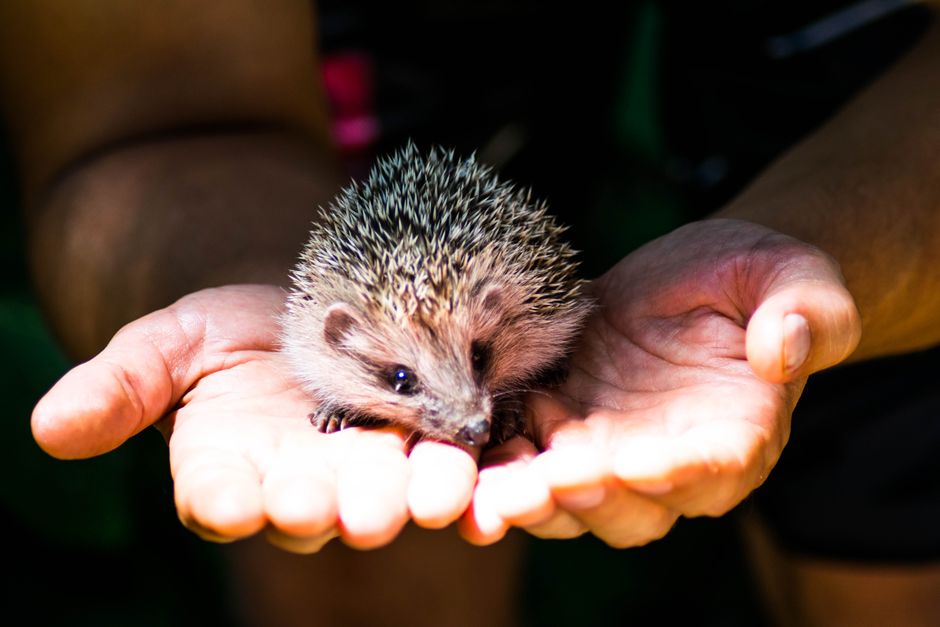
Essential Winter Prep for Pet Rabbits, Birds, and Reptiles
Essential Winter Prep for Pet Rabbits, Birds, and Reptiles
As the crisp November air settles over Palmetto and temperatures begin to dip, many exotic animal owners start to wonder how best to protect their unique companions from the seasonal chill. Unlike dogs and cats, exotic pets such as rabbits, birds, and reptiles have specialized needs that can make winter a tricky time for maintaining their health and comfort. At SweetWater Veterinary Hospital, located at 815 Weldon Road, Palmetto, GA 30268, our veterinary professionals understand the challenges that come with caring for these special species. Whether you share your home with a curious cockatiel, a gentle rabbit, or a sun-loving gecko, preparing for colder weather is crucial. In this blog, we’ll explore the essential steps to help your exotic pets remain healthy, warm, and safe throughout the winter months. We’ll cover how to recognize signs of cold stress, the reasons exotic pets are vulnerable to temperature changes, practical home care strategies, and when to seek veterinary support.
If you are looking for experienced exotic animal care in Palmetto and surrounding communities, our team is here to help. You can also find more information about specialized veterinary care for exotic pets directly on our website.
Recognizing Cold Stress and Seasonal Risks in Exotic Pets
Understanding the subtle signs that your exotic pet is uncomfortable or unwell during winter is the first step to keeping them safe. Rabbits, birds, and reptiles each display cold-related stress in different ways, and early recognition can prevent serious health issues.
Signs of Cold Stress in Rabbits
Rabbits are more cold-tolerant than some exotic pets, but they are not immune to winter hazards. Typical signs of cold stress in rabbits include shivering, lethargy, huddling in the corner of their enclosure, refusing food or water, and cold ears or extremities. In severe cases, hypothermia can develop, leading to weakness and even risk of death if not addressed quickly.
Winter Warning Signs for Birds
Birds, especially parrots and smaller species, are highly sensitive to temperature fluctuations. Watch for fluffing up feathers and remaining still for prolonged periods, decreased vocalization, tucking one foot up for warmth more than usual, and a reluctance to move around. Cold birds may also develop difficulty breathing, runny beaks, or changes in droppings, which signal more serious health concerns.
Reptile Chilling: Symptoms to Watch
Reptiles are ectothermic, relying entirely on their environment to regulate body temperature. When temperatures drop, warning signs include sluggish movement, lack of appetite, hiding more than usual, and difficulty digesting food. Inadequate warmth can quickly lead to immune suppression, respiratory infections, or digestive issues.
Recognizing these early symptoms allows you to take action before your exotic pet’s health is at risk. If you notice persistent changes in behavior or appearance, a physical examination or physical examination for pet birds may be advisable to catch problems early.
Why Exotic Pets Are Vulnerable to Cold: Understanding the Risks
Exotic pets have evolved in environments often very different from wintery Georgia, making them uniquely vulnerable in the colder months. Each species has specific reasons for being sensitive to temperature changes.
Rabbits and Temperature Sensitivity
Rabbits have thick fur, but domestic breeds are not always equipped for exposure to drafts or dampness. In the wild, rabbits dig deep burrows that remain insulated year-round, but pet rabbits depend on their housing and your care to maintain warmth and dryness. Even brief exposure to cold, wet conditions can lead to respiratory illness or hypothermia.
Birds: Small Bodies, High Metabolisms
Birds have high metabolic rates and small bodies, making rapid heat loss a real danger. Many pet birds hail from tropical or subtropical regions, where temperatures are consistent. When their living spaces cool down, birds can quickly become chilled, especially overnight or if drafts are present. Prolonged exposure increases the risk of respiratory infections, which are common in birds during winter.
Reptiles: Ectotherms in a Cool World
Unlike mammals and birds, reptiles cannot generate their own body heat. Relying on their environment, they become sluggish and unable to digest food properly when temperatures fall outside their ideal range. This can lead to a cascade of health problems, including digestive stasis, pneumonia, and a weakened immune system.
Understanding these vulnerabilities underscores why extra care and preparation are necessary for exotic pets during winter in Palmetto. Each species deserves a tailored approach to meet their individual needs.
Keeping Exotic Pets Warm: Professional Care and Home Strategies
Protecting your rabbit, bird, or reptile from winter’s chill involves a blend of veterinary guidance and thoughtful home care. Here’s how our veterinary team at SweetWater Veterinary Hospital can help, and what you can do at home to support your exotic companions.
Veterinary Support for Winter Wellness
Regular checkups are one of the best ways to safeguard your exotic pet’s health year-round. Our veterinarians recommend scheduling seasonal wellness visits, especially as temperatures begin to change. During these visits, we evaluate your pet’s overall condition, discuss husbandry, and address any concerns about their environment. For species-specific advice, we offer services such as husbandry counseling for pet rabbits, avian husbandry counseling, and husbandry counseling for lizards. These consultations help you fine-tune housing, diet, and daily care to match your animal’s natural needs.
When you bring your exotic pet for a visit, our team can also check for signs of early illness, assess body condition, and make recommendations for heating, bedding, and other environmental adjustments. For rabbits, we may discuss safe bedding materials, enclosure placement, and the importance of avoiding drafts. For birds, we can advise on appropriate heat sources and humidity control. For reptiles, we assess heating and lighting systems to ensure optimal temperatures are maintained.
Home Care Tips: Creating a Winter-Safe Environment
Taking action at home is equally important for winter prep. For rabbits, the key steps include ensuring their enclosure is draft-free, dry, and insulated. Adding extra hay or safe bedding provides additional warmth, while keeping the enclosure raised off cold floors helps prevent chilling. For outdoor rabbits, bringing them indoors or into a protected garage or shed during freezing weather is highly recommended.
Bird owners should keep cages away from windows and doors where drafts are common. Using cage covers at night can help retain warmth, and supplemental heat sources designed for birds can be beneficial, provided safety guidelines are followed. Monitoring humidity is crucial; overly dry air from heating systems can cause respiratory problems, so consider using a humidifier if needed.
Reptile owners must pay close attention to heating and lighting. Regularly checking basking spots and ambient temperatures with reliable thermometers is essential. Heat sources such as under-tank heaters, ceramic heat emitters, or radiant heat panels should be adjusted to maintain species-specific temperature gradients. Avoid using heating rocks, as these can cause burns. Providing hide boxes and ensuring water dishes are not too close to heat sources also support reptile comfort.
In all cases, remember that sudden temperature swings can be more harmful than gradual changes. Monitoring your exotic pet’s behavior and environment daily is key to catching problems early.
Preventing Common Winter Problems in Exotic Pets
Proactive care goes a long way in preventing winter health issues for rabbits, birds, and reptiles. By planning ahead and making environment adjustments before the coldest nights arrive, you help your pets thrive.
Daily observation plays a vital role. For rabbits, watch for consistent eating, drinking, and normal activity levels. For birds, monitor feather condition, vocalization, and droppings. For reptiles, note appetite, activity, and consistent basking behaviors. Any deviation from normal routines may be the first sign of a problem.
Maintaining proper nutrition is especially important during winter, as cold-stressed animals may require extra calories or vitamins. Our team offers specialized veterinary care for exotic pets and can provide dietary recommendations tailored to your species and situation.
Enclosure cleaning should not be neglected, as damp bedding or soiled substrate can lower body temperature and promote disease. Keep living spaces dry and well-ventilated, but avoid direct drafts.
When to Seek Veterinary Care for Your Exotic Pet
Even with the best preparation, winter can bring unexpected health challenges for exotic pets. Knowing when to seek professional help is vital to ensuring a quick recovery and preventing complications.
If your rabbit shows signs of persistent lethargy, refuses food for more than 12 hours, or feels cold to the touch, immediate veterinary attention is required. Birds that are fluffed up and unresponsive, have labored breathing, or show changes in droppings need prompt evaluation. For reptiles, signs such as extreme lethargy, lack of appetite for more than a few days, wheezing, or visible mucus are red flags that should never be ignored.
Our veterinary team at SweetWater Veterinary Hospital provides both routine and urgent care for exotic pets. If you ever feel unsure about your animal’s condition, it is always safer to schedule an appointment for an assessment. In cases of sudden decline, do not hesitate to call for guidance.
For rabbit emergencies, you can learn about emergency veterinary care for rabbits available at our hospital. Prompt action can make all the difference during cold weather crises.
Expert Exotic Pet Care in Palmetto: Schedule Your Winter Wellness Visit
Preparing for winter as an exotic animal owner means taking extra steps to keep your companions healthy and comfortable. By recognizing cold stress, understanding species-specific risks, making smart home adjustments, and maintaining regular veterinary checkups, you give your rabbit, bird, or reptile the best chance for a safe and happy season.
If you have questions about winter prep or need personalized advice, our veterinary professionals at SweetWater Veterinary Hospital are ready to help. Schedule an appointment for a seasonal checkup or husbandry counseling for pet rabbits, avian husbandry counseling, or husbandry counseling for lizards today. When searching for a veterinarian near me who truly understands exotic pets, you can rely on our experience and dedication.
Call (770) 400-0146 to book your visit or stop by our location at 815 Weldon Road, Palmetto, GA 30268. Your small mammals, birds, and reptiles deserve exceptional care all winter long.