


Fall Enclosure Tips for Healthy Exotic Pets in Palmetto
Fall Enclosure Tips for Healthy Exotic Pets in Palmetto
As the crisp, dry days of autumn arrive in Palmetto, owners of exotic animals face unique challenges in keeping their companions healthy and comfortable. Birds, reptiles, and small mammals all have specialized needs that shift with the seasons, and October's cooler temperatures and lower humidity can create unexpected risks if enclosures are not properly adjusted. At SweetWater Veterinary Hospital, located at 815 Weldon Road, Palmetto, GA 30268, our team of veterinarians understands how important it is to create a stable, species-appropriate environment for your exotic companion. In this guide, we will walk you through the most important fall enclosure adjustments for birds, reptiles, and small mammals, focusing on humidity, heating, lighting, and other husbandry tips to keep your unique animal thriving all season long. You will also learn when to seek professional help, how to spot early warning signs of enclosure-related health problems, and how our affordable exotic pet care services support the wellbeing of your companion throughout the year.
Whether you are caring for a vibrant parrot, a curious snake, a playful ferret, or a gentle rabbit, SweetWater Veterinary Hospital in Palmetto is here to help you navigate autumn's challenges with confidence. For those seeking specialized advice tailored to their species, our exotic pet care services offer the expertise and support you need to keep your animal safe and healthy.
Recognizing Fall Enclosure Issues: Signs Your Exotic Animal Is Affected
Autumn in Georgia often brings drier air, fluctuating indoor temperatures, and changing natural light patterns. These environmental shifts can impact birds, reptiles, and small mammals in subtle but significant ways. Owners should be alert to signs that their companion may be struggling with enclosure conditions as the season changes.
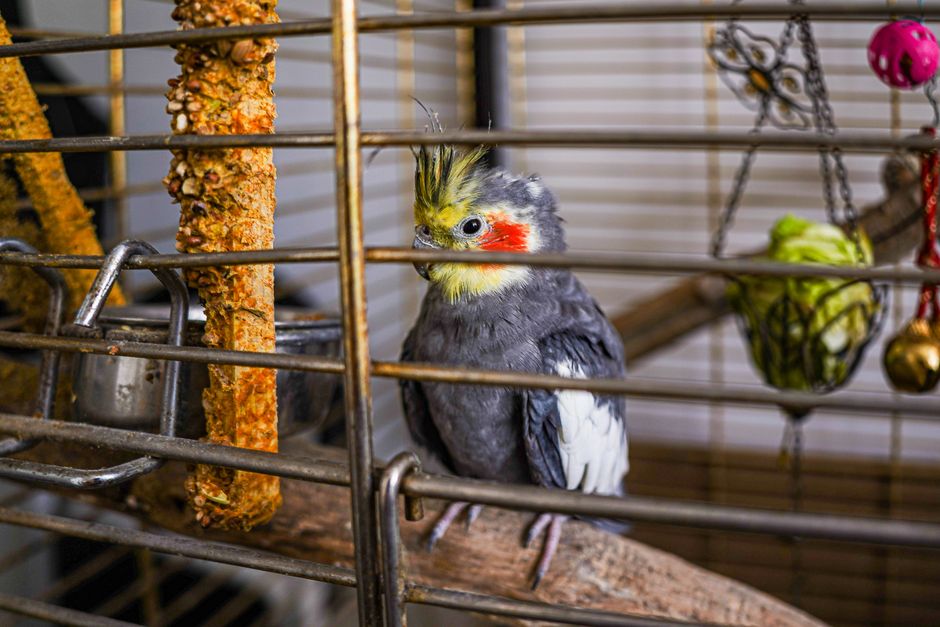
For birds, early signs of trouble can include fluffed-up feathers, increased sneezing, dry skin on the feet and beak, or a noticeable decrease in vocalizations. Some birds become lethargic or show reluctance to perch as the air dries out or if drafts are present near the enclosure.
Reptiles such as snakes, lizards, and turtles may show changes in activity level, reduced appetite, abnormal shedding, or difficulty maintaining body temperature. You might notice your reptile spending more time in one part of the enclosure, seeking heat or avoiding cold drafts, or developing dry, flaky skin.
Small mammals like rabbits, ferrets, guinea pigs, and rats often struggle with respiratory irritation, dry or irritated skin, and changes in grooming behavior if the humidity drops or if bedding is not adjusted for the season. Reduced activity, hiding, or a dull coat can signal that something in the environment is off.
Recognizing these early symptoms is key to preventing more serious health problems. A combination of behavioral and physical changes—such as increased hiding, decreased appetite, abnormal molting or shedding, and respiratory sounds—should prompt a careful review of your companion's enclosure and seasonal setup.
Why Fall Brings Unique Challenges for Exotic Animal Enclosures
Understanding the root causes of fall enclosure problems helps owners make meaningful adjustments before health issues arise. In Palmetto, autumn weather is usually mild but significantly drier than the humid summer months. Indoor heating systems, even when used sparingly, further reduce humidity and can cause temperature gradients and drafts within the home.
Birds often originate from tropical or subtropical climates, so they thrive in environments with stable humidity and warm temperatures. Dry indoor air can cause feather and skin issues, stress, and respiratory problems.
Reptiles are especially sensitive to changes in temperature and humidity, as their bodies rely on the external environment to regulate metabolism, digestion, and immune function. Many species experience stress or illness when their enclosure no longer mimics natural seasonal conditions.
Small mammals, particularly those with high respiratory sensitivity such as guinea pigs and rabbits, are vulnerable to dust from bedding that becomes airborne in drier conditions. The transition from air conditioning to heating can create cold spots or drafts that compromise their comfort and health.
Changes in natural daylight hours also affect exotic animals. Birds and reptiles use light cycles to regulate molting, breeding, and activity patterns. Without proper lighting adjustments, animals may become confused or stressed, leading to behavioral or health concerns.
Owners should also be aware that fall is a common time for household renovations or rearrangements, which can inadvertently expose exotic animals to new drafts, cleaning chemicals, or temperature fluctuations.
Professional Care and Seasonal Adjustments: How SweetWater Veterinary Hospital Can Support Your Exotic Animal
SweetWater Veterinary Hospital offers a range of services specifically tailored for the seasonal needs of exotic animals in Palmetto and surrounding communities. Our veterinary team provides expert guidance on enclosure setup, nutrition, and preventive health care for birds, reptiles, and small mammals.
For bird owners, our veterinarians recommend seasonal enclosure assessments that include checking for drafts, adjusting humidity, and updating lighting to match natural day length. Our husbandry counseling for avian pets can help you fine-tune your bird's environment and diet as the weather changes, supporting feather health and immune function throughout the fall.
Reptile keepers benefit from our detailed advice on temperature and humidity gradients, substrate selection, and UVB lighting. We can demonstrate how to use digital thermometers and hygrometers to maintain optimal conditions, recommend safe heating elements, and advise on seasonal changes to feeding or brumation cycles for species that require it. Owners of snakes, lizards, and turtles are encouraged to schedule a fall checkup, during which our veterinarians can offer husbandry counseling for lizards, husbandry counseling for snakes, or husbandry counseling for turtles and tortoises to address enclosure-specific questions and ensure all seasonal needs are met.
For small mammals, our veterinary professionals provide advice on bedding selection, cage location, and how to adjust cleaning routines to minimize dust and respiratory irritation as the air dries out. We offer routine health assessments and species-specific husbandry counseling for ferrets, guinea pigs, rats, and rabbits, ensuring that each animal receives care suited to their environment and needs.
Essential At-Home Enclosure Adjustments for Fall
Making proactive changes to your exotic animal's enclosure in October can prevent a range of seasonal health problems. Start by observing how your bird, reptile, or small mammal behaves in their enclosure as the weather shifts. Are they spending more time near heat sources, avoiding cold corners, or showing signs of dry skin? These clues can guide your adjustments.
For birds, consider using a room humidifier if your indoor air becomes noticeably dry. Position the enclosure away from direct drafts, windows, or heating vents. Maintain a stable temperature and use full-spectrum lighting to replicate natural daylight patterns; this supports mood, molting, and immune health. Offer shallow water baths or misting sessions for species that benefit from extra humidity, but ensure the enclosure stays dry enough to prevent mold.
Reptile owners should check and calibrate all thermometers and hygrometers before the season gets cold. Adjust basking lamps and heat mats to maintain appropriate gradients within the enclosure, and ensure nighttime temperatures do not drop too low. For humidity-sensitive species, lightly mist the enclosure or use a substrate that holds moisture, but always avoid over-saturation. Update UVB bulbs at recommended intervals, as their effectiveness diminishes over time even if the light appears bright.
Small mammal owners can help their animals cope with drier air by switching to low-dust bedding and placing enclosures away from direct heat sources. Monitor for signs of respiratory irritation, such as sneezing or nasal discharge, and provide extra hiding areas or fleece tunnels to keep animals warm and comfortable. Regularly clean enclosures to minimize ammonia buildup, which can worsen respiratory challenges during fall and winter.
All exotic animal owners should be mindful of natural changes in sunlight hours. Adjust artificial lighting to ensure your companion receives an appropriate day-night cycle, which is crucial for hormonal balance and seasonal behaviors.
When to Seek Veterinary Help for Seasonal Enclosure Issues
Even with careful at-home management, some exotic animals may develop health problems as their environment changes with the season. It is important to recognize when professional help is needed and to seek care promptly to prevent complications.
Warning signs that warrant a visit to SweetWater Veterinary Hospital include persistent lethargy, refusal to eat or drink, difficulty breathing, changes in droppings or urine, abnormal molting or shedding, or sudden behavioral changes. Birds that stop vocalizing, reptiles that become unresponsive, or small mammals that hide excessively or lose weight all need prompt evaluation.
Owners should also schedule a veterinary checkup if they are unsure how to adjust enclosure conditions for fall, or if they have introduced a new animal or changed the enclosure setup. Our team can provide hands-on guidance to optimize your animal's environment and address any emerging health concerns.
If you are ever unsure whether your exotic companion's symptoms are urgent, call SweetWater Veterinary Hospital at (770) 400-0146 for advice or to schedule an appointment. Our veterinarians are experienced in the unique needs of exotic species and are happy to provide recommendations tailored to your companion's situation.
Keeping Exotic Animals Safe and Comfortable: Your Partner in Seasonal Care
Caring for birds, reptiles, and small mammals in Palmetto during the fall requires vigilance, knowledge, and a willingness to make small but important changes to their living environment. By monitoring your animal's behavior, maintaining appropriate humidity and temperature, updating lighting, and seeking expert advice when needed, you can help your companion thrive all autumn long.
The team of veterinarians at SweetWater Veterinary Hospital is committed to supporting exotic animal owners through every season. Whether you are looking for routine wellness advice, help with a specific enclosure challenge, or a comprehensive veterinary exam, our affordable services and compassionate care are designed to meet your needs. If you have questions about fall enclosure adjustments or want personalized advice, explore our specialized veterinary care for exotic pets or schedule a seasonal enclosure assessment with our team.
When searching for a veterinarian near me who truly understands the needs of exotic animals, trust SweetWater Veterinary Hospital to provide the expertise and support your companion deserves. For guidance or to book your next appointment, call (770) 400-0146 or visit us at 815 Weldon Road, Palmetto, GA 30268. Your animal's comfort and health are our top priorities, and we look forward to being your partner in exotic pet care this fall and beyond.