


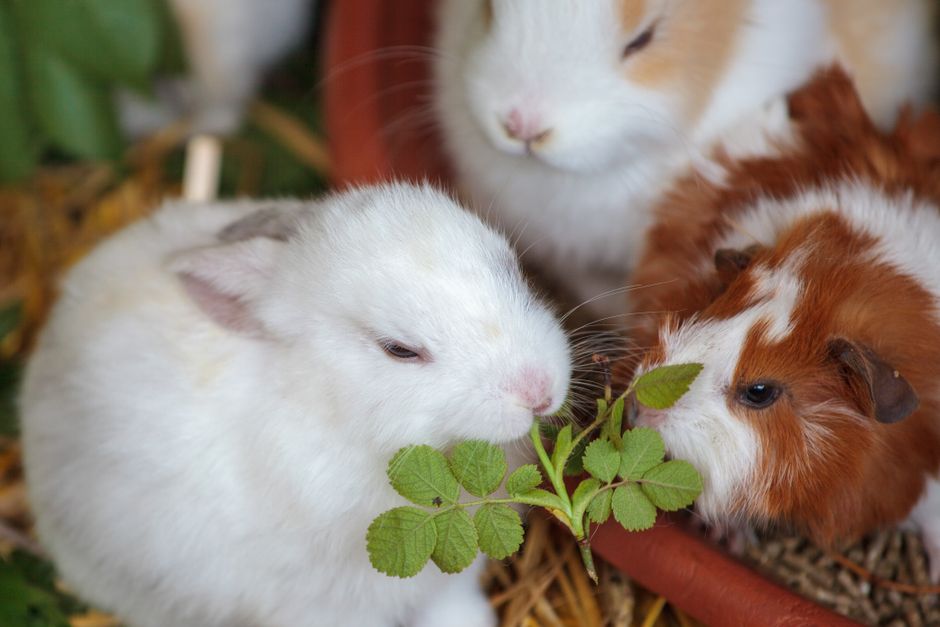
Preventing Dental Disease in Pet Rabbits and Guinea Pigs
Preventing Dental Disease in Pet Rabbits and Guinea Pigs
Keeping your rabbit or guinea pig healthy involves much more than providing a cozy habitat and nutritious food. Dental disease is one of the most common—and often misunderstood—health issues faced by small mammals. At SweetWater Veterinary Hospital, located at 815 Weldon Road, Palmetto, GA 30268, our veterinary team is dedicated to helping exotic pet owners recognize, prevent, and manage dental disease in rabbits and guinea pigs. In this comprehensive guide, you’ll learn to identify early warning signs, understand what causes dental problems, discover at-home care strategies, and know when it’s time to schedule a professional dental evaluation. Whether you are a new or experienced owner, our expertise in specialized veterinary care for exotic pets, including small mammals ensures your companions stay healthy and comfortable year-round.
Recognizing Dental Disease in Rabbits and Guinea Pigs
Dental disease in rabbits and guinea pigs can progress quietly, often without obvious symptoms until the condition is advanced. As prey animals, both species are experts at hiding pain and discomfort. However, there are several key signs that may indicate a dental problem is developing. Watch closely for changes in eating habits, such as dropping food, chewing awkwardly, or taking longer to finish meals. Wetness or matting around the mouth and chin, known as “slobbers,” is another classic sign, especially in rabbits. Weight loss or a sudden decrease in appetite can occur as chewing becomes painful. Additionally, you may notice changes in stool production, like smaller or fewer droppings, due to reduced food intake. Overgrown front teeth (incisors) may be visible, but many dental problems occur in the back teeth (molars), which can only be assessed during a veterinary exam. In guinea pigs, subtle signs such as picking up food and then dropping it, crying out while eating, or favoring softer foods may also signal dental discomfort. If your rabbit or guinea pig exhibits any of these symptoms, a prompt dental evaluation is important to prevent further complications.
Why Dental Disease Happens: Causes and Risk Factors
Understanding why dental disease occurs in rabbits and guinea pigs starts with their unique anatomy. Unlike dogs and cats, both species have continuously growing teeth, with all teeth—including incisors and molars—growing throughout life. These teeth are designed to be worn down naturally by chewing on fibrous plant material. When diet or environmental factors fail to provide enough natural wear, teeth can become overgrown, develop sharp points (spurs), or even curve abnormally. Genetics also play a role; certain breeds are more prone to malocclusion, where the teeth do not align properly. Inadequate nutrition, particularly a lack of high-fiber hay, increases the risk of dental issues because pellets and soft foods do not encourage sufficient chewing and grinding. Injury to the mouth, jaw, or teeth can contribute to abnormal tooth growth. Additionally, underlying medical conditions, such as infections or abscesses, may develop when dental problems go unrecognized. For guinea pigs, vitamin C deficiency can weaken gum tissues, making dental disease more likely. Environmental factors, such as a lack of safe chewable enrichment, further compound the risk.
Treatment Options for Dental Disease in Small Mammals
When dental disease is diagnosed, effective treatment often requires professional veterinary care. At SweetWater Veterinary Hospital, our veterinary team is equipped to perform thorough oral examinations, often under sedation, to fully assess both the front and back teeth. Diagnostic imaging, such as dental X-rays, may be recommended to evaluate the roots and jawbones for hidden issues. Treatment approaches involve trimming or filing overgrown teeth, removing sharp spurs, and addressing any infections or abscesses that may be present. In some cases, teeth that are severely damaged or diseased may require extraction. Pain management and supportive care, such as critical care feeding or antibiotics, are tailored to each animal’s needs. For ongoing management, regular dental check-ups are essential to monitor for recurrence and catch problems early. If you would like to learn more about what is involved in caring for guinea pig teeth, our page on dental care services for guinea pigs provides additional insight.
Preventing Dental Disease at Home
Preventing dental disease in rabbits and guinea pigs is a collaborative effort between owners and veterinarians. A cornerstone of prevention is providing an appropriate, high-fiber diet. Unlimited access to fresh, quality hay encourages natural chewing and grinding, helping to wear down teeth evenly. Hay should comprise the majority of your small mammal’s daily intake, supplemented with a variety of leafy greens and a limited amount of pellets. Safe chew toys made from untreated wood, willow, or natural materials can provide additional opportunities for tooth wear and environmental enrichment. Regularly inspect your rabbit or guinea pig’s mouth and eating behavior for subtle changes, as early detection allows for prompt intervention. For rabbits, offering husbandry guidance tailored to their specific needs can be found through our husbandry counseling for rabbits, including preventive care guidance. For guinea pigs, nutritional counseling is available to help owners select the best diet and care practices, with more details on our husbandry and nutritional counseling for guinea pigs page.
When to Seek Veterinary Care
Early intervention is critical for the successful management of dental disease in rabbits and guinea pigs. If you notice any of the warning signs mentioned earlier—such as difficulty eating, wetness around the mouth, weight loss, or changes in droppings—schedule an appointment with our veterinary team as soon as possible. Even if your small mammal seems healthy, routine dental checks are recommended at least once a year, or more frequently for breeds or individuals with a history of dental problems. Professional dental evaluations go beyond what can be seen at home, as many issues develop deep within the mouth or below the gumline. If your rabbit or guinea pig is recovering from dental treatment, follow-up visits are important to ensure proper healing and to address any recurring problems. Our routine physical examinations for guinea pigs and physical examinations for rabbits are designed to help catch dental issues early and keep your small mammal comfortable. Never attempt to trim or file your animal’s teeth at home, as improper techniques can cause injury and worsen existing problems.
Supporting Your Exotic Companion’s Lifelong Health
Caring for a rabbit or guinea pig’s dental health is an ongoing commitment that pays off in their comfort, happiness, and longevity. A proactive approach, including a proper diet, safe enrichment, and routine veterinary care, greatly reduces the risk of dental disease. If you are in Palmetto or the surrounding communities and searching for a “veterinarian near me” who understands the specialized needs of exotic pets, SweetWater Veterinary Hospital is here to support you and your companion. Our team of veterinarians is always ready to answer your questions, provide preventive care, and offer expert treatment when needed. To schedule an appointment or discuss your small mammal’s dental health, call us at (770) 400-0146 or visit our exotic pet care page for more information. At SweetWater Veterinary Hospital, we are committed to helping you keep your rabbit or guinea pig’s smile healthy for years to come.
This blog is for informational purposes only and should not replace personalized veterinary advice. Always consult your veterinarian if you suspect your rabbit or guinea pig is experiencing dental issues or other health concerns.