


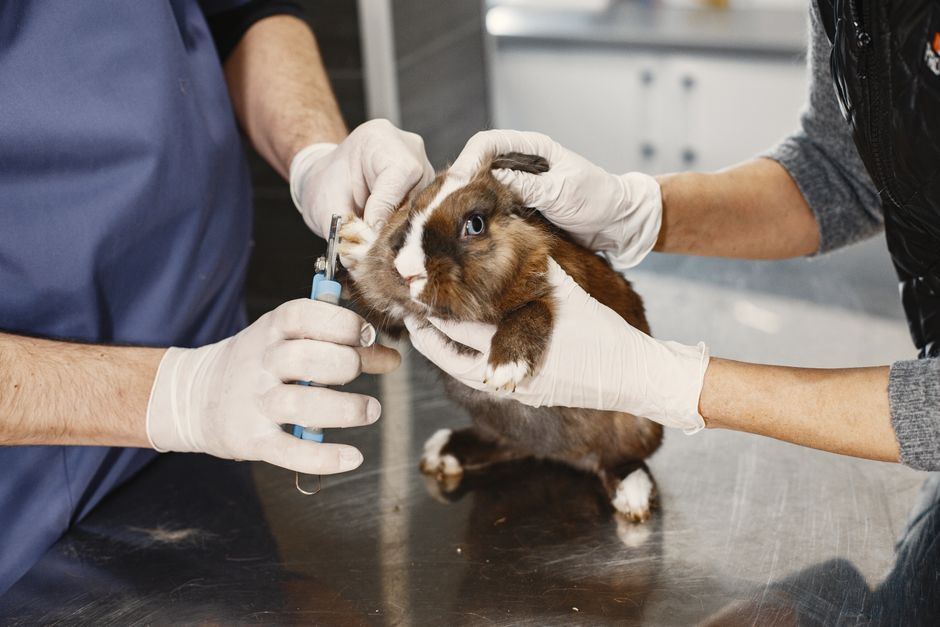
Protecting Exotic Pets From Heat Stress in July
Protecting Exotic Pets From Heat Stress in July
Georgia summers are known for their sweltering heat and powerful storms, and July in Palmetto can bring particularly challenging conditions for exotic animals. Whether you share your home with a vibrant bird, a curious reptile, or a playful small mammal, hot and humid weather can put these unique companions at significant risk for heat stress. Many exotic species are far more sensitive to temperature changes than dogs or cats, making summer safety an urgent concern for every exotic animal owner. At SweetWater Veterinary Hospital, located at 815 Weldon Road, Palmetto, GA 30268, our team understands the special needs of these fascinating animals. In this guide, we will explore how to recognize the earliest warning signs of heat stress in exotic pets, what causes this condition, which species are most vulnerable, and—most importantly—how to keep your companion safe and comfortable all summer long. We will also share practical advice tailored for birds, reptiles, and small mammals, drawing on our experience caring for the diverse exotic animals of Palmetto and surrounding communities. If you are worried about your exotic animal in the heat, or want to be proactive in your care, this blog is for you.
Recognizing Signs of Heat Stress in Exotic Pets
Heat stress can develop quickly and may be life-threatening if not addressed promptly, especially in exotic species. Early detection is crucial, as many exotic pets instinctively hide signs of illness until they are severely affected. Key symptoms of heat stress in birds include open-mouth breathing, wings held away from the body, rapid panting, and weakness. You might also notice your bird appearing confused, losing balance, or becoming less responsive.
For reptiles such as snakes, lizards, and turtles, watch for excessive basking, open-mouth breathing, lethargy, and attempting to escape their enclosure. Other concerning signs can include uncoordinated movements or an unusually darkened coloration.
Small mammals like rabbits, guinea pigs, ferrets, rats, and hamsters are especially sensitive to heat. Warning signs in these species may include drooling, rapid or shallow breathing, lying stretched out and unresponsive, or a sudden lack of interest in food and water. Guinea pigs and rabbits in particular can deteriorate rapidly if overheated.
If you notice any of these symptoms in your exotic companion, it is essential to act quickly to cool your animal safely and contact a veterinarian for guidance. Never assume that your pet will simply recover once temperatures drop; heat stress can cause organ damage or death if not addressed promptly.
Why Are Exotic Pets at High Risk for Heat Stress?
Exotic animals often originate from very specific climates, and many have unique physiological adaptations that can make them more vulnerable to temperature extremes. Birds, for example, have high metabolic rates and limited ability to sweat, relying instead on panting and wing positioning to regulate body temperature. In the wild, they may seek shade or fly to cooler locations—options not always available in captivity. Certain parrot species, such as cockatiels and budgies, are especially susceptible to overheating in high humidity.
Reptiles are ectothermic, meaning their body temperature is determined by their environment. While some species thrive in warm climates, even heat-loving reptiles can suffer if their enclosure lacks a proper gradient of temperatures or if ambient conditions spike suddenly during a power outage or heatwave. Overheated reptiles may not be able to move to a cooler area, leading to dangerous rises in body temperature.
Small mammals, including rabbits, guinea pigs, and ferrets, have thick coats and limited sweat glands, making it difficult for them to cool down. These animals may quickly succumb to heat stroke in poorly ventilated rooms or if left in direct sunlight, even for a short period.
Georgia’s July weather is an added challenge, as high humidity impairs evaporative cooling and sudden storms can disrupt climate control in the home.
Veterinary Treatment and Support for Heat-Stressed Exotic Pets
When an exotic animal experiences heat stress, immediate intervention is critical. The first step is always to move your pet to a cooler, shaded area away from direct sun or heat sources. Offer fresh, cool water if your animal is alert and able to drink. Never use ice-cold water or submerge your pet, as a sudden drop in temperature can cause shock.
Veterinary care may involve intravenous or subcutaneous fluids to correct dehydration, oxygen therapy, and careful monitoring of vital signs. For birds, oxygen and supportive care are often necessary, while reptiles may require gradual cooling, fluid therapy, and monitoring for secondary complications such as organ failure. Small mammals may need similar supportive measures, with a focus on stabilizing temperature and preventing further stress.
At SweetWater Veterinary Hospital, our veterinarians are experienced in the emergency management of heat-stressed exotic animals. We tailor our approach to the species and severity of the condition, using advanced diagnostics and supportive care to give your companion the best possible chance of recovery. If you have questions about the health of your exotic animal or need guidance on immediate first aid, our team is here to help.
Creating a Safe, Cool Habitat for Exotic Pets in Summer
Preventing heat stress starts with creating an environment that matches your animal’s needs. For birds, ensure that cages are placed away from windows and direct sunlight. Use fans to promote air circulation, but avoid blowing directly on your bird. Misting with water can help some species, but always confirm with your veterinarian if this is appropriate for your bird’s breed and temperament. Offering shallow dishes for bathing and providing fresh, cool water throughout the day are also essential steps. If you need more tailored advice, our husbandry and nutritional counseling services for avian pets can help you optimize your bird’s summer setup.
Reptile owners should ensure that enclosures are equipped with thermostats and temperature gradients, allowing their pets to choose a comfortable spot. During heatwaves, monitor ambient room temperatures closely, and be prepared to adjust heating elements or provide temporary cooling with frozen water bottles wrapped in towels placed outside the enclosure. Never place reptiles in direct contact with ice or ice water. For more guidance on proper care, our team offers husbandry counseling for lizards, snakes, and turtles and tortoises.
Small mammals are often kept in enclosures that can quickly become stuffy during summer. Keep cages in well-ventilated rooms, away from sunlight and heat-producing appliances. Place ceramic tiles or chilled water bottles in the enclosure to offer a cool resting spot. Always provide unlimited access to fresh water, and consider freezing ceramic bowls or water bottles to help maintain lower temperatures. If you need species-specific advice, SweetWater Veterinary Hospital provides husbandry counseling for guinea pigs, ferrets, and rabbits to help you create a safe environment.
When Should You Seek Veterinary Care for Heat Stress?
It is always better to be cautious when dealing with exotic animals and heat exposure. You should contact your veterinarian immediately if your bird is open-mouth breathing for more than a few minutes, seems weak, or shows any neurological symptoms such as tremors or loss of balance. For reptiles, signs such as persistent lethargy, inability to move, or changes in skin color require urgent attention. Small mammals that are panting, drooling, or unresponsive need immediate care, as heat stroke can be fatal within minutes.
At SweetWater Veterinary Hospital, we encourage you to reach out as soon as you notice any changes in your exotic animal’s behavior or appearance during the summer months. Early intervention is key to preventing long-term damage. Our emergency veterinary care services are available for urgent cases, and our team is equipped to provide comprehensive support for birds, reptiles, and small mammals.
If you are ever in doubt, it is always safer to call for professional advice than to wait and hope symptoms resolve on their own. Quick action can save lives, and our team is committed to guiding you through every step of exotic pet care.
Preventing Heat Stress: Practical Tips for Exotic Animal Owners
Daily habits and attentive care can make all the difference for exotic animals during Georgia’s hottest month. Monitor indoor temperatures with reliable thermometers, and avoid placing enclosures or cages near windows, kitchens, or laundry rooms where heat can build up. Use blackout curtains or shades to block intense sunlight, and consider running air conditioning or dehumidifiers to keep the environment comfortable. For outdoor enclosures, ensure that there is always access to deep shade and plenty of fresh water.
Travel can also pose risks during summer. Never leave exotic animals in parked cars, not even for a minute, as temperatures can soar quickly. If you must transport your animal, pre-cool the vehicle and bring along portable fans or frozen gel packs to keep the carrier cool.
Lastly, schedule regular wellness examinations for your exotic animal, especially before and during the summer months. Routine veterinary visits help detect subtle health changes, provide opportunities to review husbandry, and ensure your animal is prepared to handle seasonal stressors.
Take Action to Protect Your Exotic Pet This Summer
Caring for exotic animals in Palmetto’s July heat requires vigilance, preparation, and a willingness to seek help when needed. By recognizing the early warning signs of heat stress, understanding your animal’s natural vulnerabilities, and creating a safe, cool environment, you can protect your companion from the dangers of summer weather. Remember, every exotic species has unique needs, and what works for one may not be safe for another.
If you have questions about preventing heat stress or need support during an emergency, SweetWater Veterinary Hospital is here to help you every step of the way. Our experienced veterinary team is dedicated to the health and happiness of exotic animals in Palmetto and surrounding communities. Schedule an appointment for your bird, reptile, or small mammal today by calling (770) 400-0146 or visiting us at 815 Weldon Road, Palmetto, GA 30268. When you search for an "exotic veterinarian near me," know that our team is committed to providing compassionate, knowledgeable care for your unique companion.
For more information on our specialized exotic pet care services, or to discuss your animal’s specific needs, reach out today. Let us partner with you to keep your exotic pet safe and comfortable all summer long.