


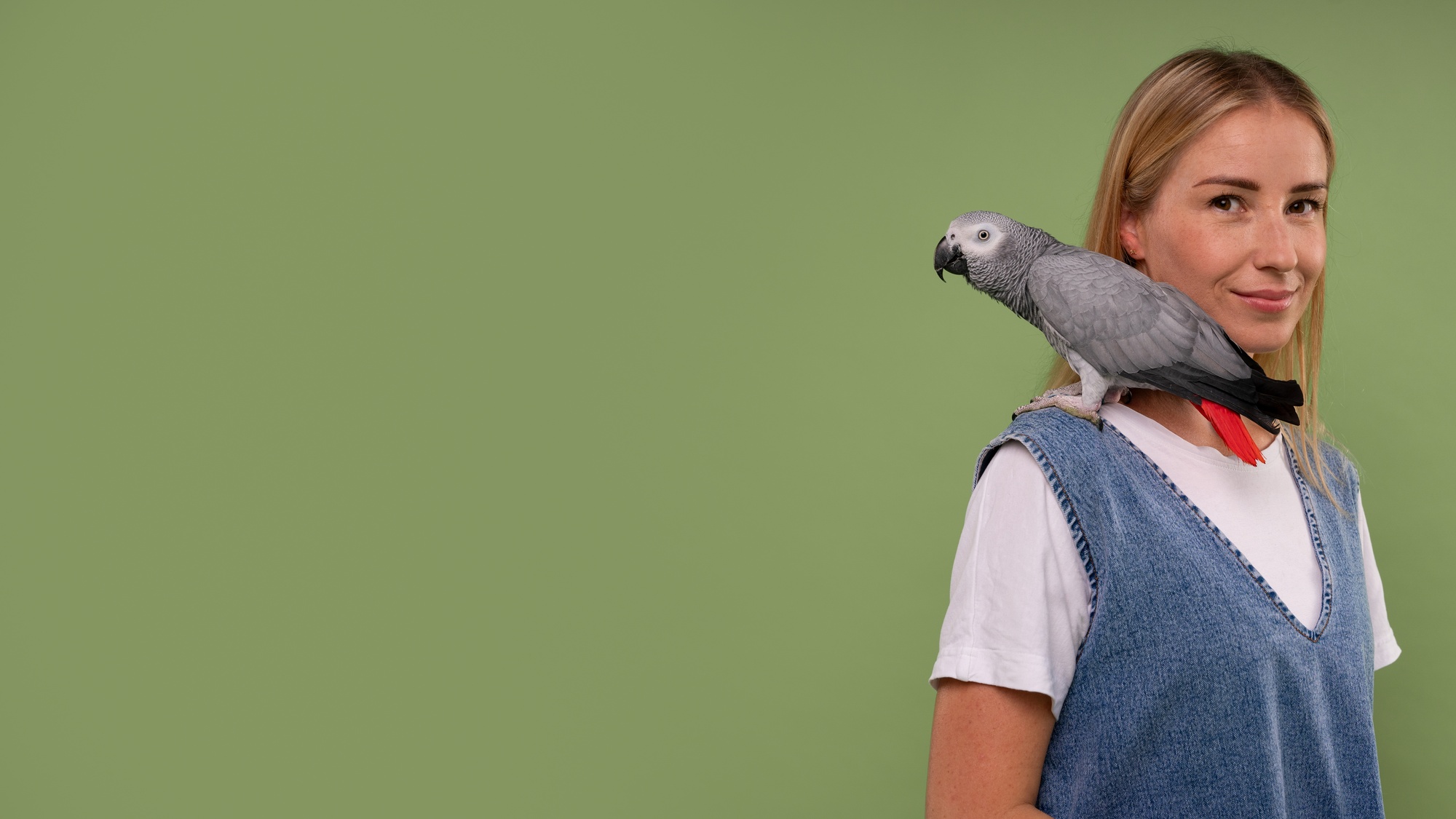
Safe and Stimulating Enrichment Ideas for Pet Birds
Safe and Stimulating Enrichment Ideas for Pet Birds
Keeping your pet bird happy and active is essential for their mental and physical well-being, especially as the cooler November days settle in around Palmetto. Many bird owners find themselves wondering how to prevent boredom and support natural behaviors in their feathered companions at home. At SweetWater Veterinary Hospital, located at 815 Weldon Road, Palmetto, GA 30268, our veterinary team understands the unique needs of exotic birds, from parrots and cockatiels to finches and more. This blog will explore practical enrichment ideas tailored for pet birds, explain why stimulation matters, and offer guidance on creating a safe, engaging environment. We will also highlight how our avian veterinary services can support your bird’s health and happiness, ensuring they thrive year-round.
Recognizing When Your Bird Needs More Enrichment
Many bird owners are surprised to learn just how intelligent and emotionally complex their avian companions can be. Without proper stimulation, birds often display signs of boredom or stress that can escalate into health or behavioral concerns. Key indicators that your bird may need more enrichment include repetitive behaviors such as pacing, feather picking, or excessive vocalization. You might also notice that your bird seems uninterested in food, toys, or interaction with you. Other signs to watch for are increased aggression, withdrawal from normal activities, or destructiveness toward cage accessories. If your bird frequently sits quietly for long periods or shows sudden changes in personality, these may also indicate that their environment is lacking in stimulation.
Why Enrichment Is Vital for Pet Birds
In the wild, birds spend much of their day foraging, exploring, and socializing. These natural activities keep their minds sharp and bodies active. In captivity, however, the lack of environmental complexity can lead to frustration and stress. Birds rely on enrichment for mental engagement, physical exercise, and emotional satisfaction. Without it, they are prone to developing stereotypic behaviors, weakened immune function, and even self-harm. Environmental enrichment provides opportunities for problem-solving, encourages natural instincts, and helps prevent common issues such as obesity or anxiety.
Proper enrichment also supports your bird’s physical health in less obvious ways. For instance, activities that promote movement help maintain muscle tone and joint flexibility, while foraging tasks can slow down eating, aiding digestion and preventing weight gain. Regular enrichment not only meets your bird’s emotional needs but also contributes to a robust immune system and overall well-being.
Safe Enrichment Ideas for Home: Toys, Foraging, and More
When it comes to enriching your bird’s environment, variety and safety are key. Start by offering a diverse selection of toys, ensuring they are made from bird-safe materials and are appropriately sized for your bird’s species. Rotating toys every few days can keep things fresh and exciting. Foraging activities are especially beneficial; hiding small portions of food in paper wrappers, foraging balls, or puzzle feeders encourages your bird to use their beak and mind to uncover treats. You might also string pieces of fruit or vegetables on untreated leather or stainless-steel skewers for your bird to discover and manipulate.
Bird-safe branches or perches made from natural wood encourage climbing and chewing, supporting both exercise and beak health. Shreddable items like plain paper or untreated cardboard offer hours of safe entertainment. Additionally, introducing new objects—such as bird-safe bells, mirrors, or swings—can provide stimulating experiences. Be sure to supervise any new enrichment items, observing how your bird interacts to ensure they are not ingesting non-food materials or getting tangled.
If you are interested in optimizing your bird’s daily routine, our veterinary team can provide personalized avian husbandry counseling to help you select the most appropriate enrichment strategies for your species. This ensures that you are not only providing fun but also supporting your bird’s nutritional and emotional needs.
Social and Sensory Enrichment
Birds are highly social creatures; interaction with you or other birds can be a powerful form of enrichment. Regular out-of-cage time, gentle handling, and vocal games—such as whistling or talking—can build trust and keep your bird mentally engaged. Sensory enrichment, like playing soothing music or providing safe views of the outdoors, can further stimulate your bird’s curiosity. Just be cautious with mirrors, as some birds may become territorial or stressed if they perceive their reflection as a rival.
Preventing Common Enrichment Hazards
While enrichment is essential, it’s equally important to make choices that protect your bird’s health. Avoid toys with small detachable parts, sharp edges, or toxic metals. Steer clear of painted items or those containing zinc and lead, as these substances can be harmful if chewed. Ensure that any plants or branches brought in from outside are free from pesticides and come from non-toxic species safe for birds. When introducing new foods as part of foraging activities, verify that they are bird-appropriate; foods like chocolate, avocado, and caffeine are dangerous for all bird species.
If you are uncertain whether a toy, perch, or treat is safe, consult with a knowledgeable avian veterinarian. Our team at SweetWater Veterinary Hospital is always available to help you select appropriate enrichment materials and answer your questions about bird safety.
When to Seek Veterinary Guidance for Your Bird
Even with the best enrichment program, some birds may show signs of persistent stress or develop medical concerns that require professional attention. If you notice symptoms such as feather loss, unexplained weight changes, lethargy, or changes in droppings, it is crucial to schedule a veterinary evaluation. Behavioral changes that do not improve with enrichment, such as ongoing aggression, self-mutilation, or refusal to eat, also warrant a professional assessment.
At SweetWater Veterinary Hospital, we offer thorough physical examinations for birds to help monitor your bird’s health and identify potential concerns early. Our avian veterinary team can assess your bird’s environment, recommend tailored enrichment, and develop a care plan that addresses both medical and behavioral needs.
Supporting Your Bird’s Well-Being Year-Round
Consistent, species-appropriate enrichment should be a cornerstone of your bird’s daily routine. As the seasons change in Palmetto, indoor activities become even more important. Remember to observe your bird’s reactions to new enrichment and make adjustments as needed to maintain their enthusiasm and interest. If you are ever unsure about which toys or activities are best, our team can provide guidance, drawing on experience with a wide range of exotic and zoological species.
For additional support, explore our specialized veterinary care for exotic pets, which includes nutritional counseling, behavioral consultations, and ongoing preventive care. Taking these steps ensures your bird enjoys a fulfilling, healthy life as a cherished member of your household.
Ready to Boost Your Bird’s Quality of Life?
Every bird is unique, and their enrichment plans should reflect their individual personalities and needs. If you are looking for a "vet near me" who truly understands exotic birds, SweetWater Veterinary Hospital is here to help. Our veterinarians are committed to providing compassionate, knowledgeable care for pet birds in Palmetto and surrounding communities. Schedule an appointment by calling (770) 400-0146 or visit us at 815 Weldon Road, Palmetto, GA 30268.
Whether you need advice on enrichment, a routine check-up, or comprehensive avian husbandry counseling, our veterinary professionals are eager to support your bird’s health and happiness. Give your feathered companion the gift of a stimulating, safe environment this November and beyond—because a happy bird is a healthy bird.
This blog is intended for informational purposes only and does not substitute for professional veterinary advice. For concerns about your bird’s health or behavior, always consult with your avian veterinarian.