


September Safety Tips for Exotic Pets in Palmetto
September Safety Tips for Exotic Pets in Palmetto
As the heat lingers and fall rains begin in Palmetto, exotic pet owners face a unique set of challenges. Whether you share your home with a vibrant parrot, a delicate gecko, a curious rabbit, or another unusual companion, September’s weather brings both opportunities and risks for your bird, reptile, or small mammal. At SweetWater Veterinary Hospital, located at 815 Weldon Road, Palmetto, GA 30268, our veterinary team regularly helps exotic animal caregivers navigate seasonal changes. In this blog, you’ll learn how to recognize potential hazards, understand why September creates specific concerns for exotics, and discover practical tips for keeping your unique pet safe and healthy. We’ll also cover when to schedule a visit with our veterinarians and highlight services designed just for exotic pets. If you’re seeking guidance to help your special companion thrive during our region’s late-summer transition, you’re in the right place.
Recognizing Seasonal Risks for Exotic Pets in September
Every September, Palmetto’s climate shifts from summer heat to slightly cooler—but still humid—days punctuated by frequent rain showers. For exotic pets, these conditions can introduce new health risks. Understanding the warning signs that indicate your exotic companion might be struggling is the first step to providing excellent care.
Birds may show stress or illness through symptoms like fluffed feathers, reduced vocalization, changes in droppings, or a decreased appetite. Reptiles such as lizards, snakes, and turtles often display problems when their activity level drops, their skin appears dull or dry, or they refuse food. Small mammals like guinea pigs, rabbits, and ferrets may exhibit sneezing, watery eyes, matted fur, or quiet withdrawal if their environment becomes damp or overly warm.
Paying attention to subtle behavioral changes is crucial. For example, if your parrot starts hiding more often or your bearded dragon spends excessive time trying to escape its enclosure, these could indicate discomfort due to humidity or temperature fluctuations. Similarly, rabbits kept outdoors or in garages may be at risk for heat stress on lingering hot days, while all exotic pets are vulnerable to respiratory issues if their living spaces are not properly ventilated as the weather changes.
Why September Brings Unique Challenges for Exotics
September’s combination of warm temperatures and increased rainfall in Palmetto creates a perfect storm for certain hazards affecting exotic pets. High humidity and fluctuating temperatures can impact the microclimate inside cages, tanks, and enclosures, making it harder for exotic animals to regulate their body temperature or avoid environmental stress.
For birds, increased dampness can foster mold growth on bedding or perches, posing risks for respiratory infections. Reptiles are particularly sensitive to temperature and humidity swings; too much moisture can lead to skin infections, while too little can result in dehydration or improper shedding. Small mammals may experience a surge in external parasites like mites and fleas, as well as the risk of damp bedding contributing to respiratory problems.
Additionally, open windows and doors meant to let in a September breeze can expose exotic pets to drafts, wild birds, or insects carrying disease. Many exotic species are more susceptible to environmental changes than dogs or cats, making careful attention to enclosure conditions especially important during seasonal transitions.
Professional Care and Treatment Options for Exotic Pets
If you notice signs of illness or stress in your exotic animal, prompt veterinary evaluation is essential. SweetWater Veterinary Hospital provides comprehensive exotic pet care tailored to the needs of birds, reptiles, and small mammals right here in Palmetto. Our veterinary team offers a range of diagnostic and treatment services to address common September health concerns.
For birds, we recommend regular physical examinations and diagnostic testing to catch any underlying infections or environmental issues early. Our team can also provide parasite control services for birds if mites or lice become a problem during humid months.
Reptiles benefit from thorough physical examinations for lizards, snakes, and turtles, as well as diagnostic testing for lizards and other species to check for infections, dehydration, or metabolic problems. We also offer parasite control for lizards and similar services for other reptiles.
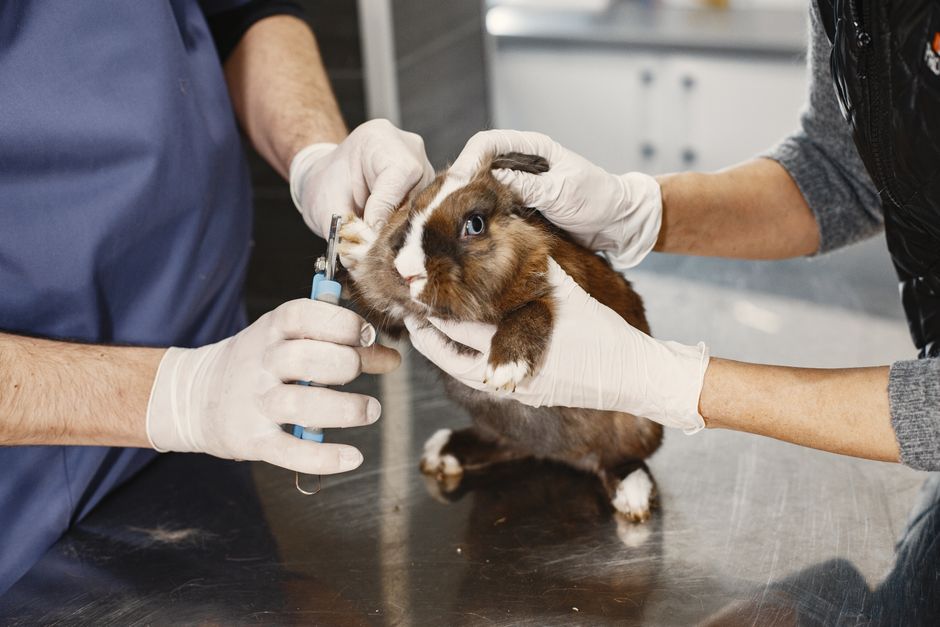
Small mammals such as guinea pigs and rabbits can receive routine physical examinations for guinea pigs and physical examinations for rabbits, along with parasite prevention, dental care, and treatment for respiratory or digestive issues commonly triggered by damp or unsanitary bedding.
Our veterinarians use advanced diagnostic equipment, including digital radiology and in-house laboratory testing, to ensure prompt, accurate care for all exotic species. Should your pet require specialized treatment, we will work closely with you to develop a management plan focused on a safe recovery and long-term wellbeing.
Preventing September Hazards: Home Care Strategies for Exotic Pets
While professional veterinary care is crucial for illness or injury, most September risks can be managed with attentive home care. The key to prevention is understanding the specific needs of your exotic animal and making small adjustments as the season changes.
Start by monitoring temperature and humidity levels inside your pet’s enclosure. Use a reliable thermometer and hygrometer to check conditions daily, ensuring that your bird’s cage, reptile’s tank, or small mammal’s habitat remains within the ideal range for that species. For many reptiles, this means maintaining a gradient with a warm basking area and a cooler retreat, while birds and small mammals do best in stable, draft-free environments.
Ventilation is another crucial factor. As rain increases, be mindful of excess moisture accumulating in bedding or substrate. Swap out damp materials promptly and consider placing cages away from windows or doors that let in humid air. For birds, regularly clean perches, toys, and food dishes to prevent mold and bacteria growth. For reptiles, avoid over-misting, and make sure there is adequate airflow in the enclosure.
Diet plays a vital role in supporting your exotic animal’s immune system. Offer species-appropriate fresh foods, avoid sudden dietary changes, and consult with our team for nutritional counseling for birds or nutritional counseling for guinea pigs if you have questions about proper feeding during seasonal shifts.
If your pet spends time outdoors, supervise them closely and limit access to wet grass or muddy areas. For rabbits and guinea pigs, keep hutches elevated and ensure rain cannot seep inside. For birds, prevent exposure to wild birds or standing water, which can carry disease. Consider using parasite prevention products recommended by your veterinarian, especially as flea and mite activity can increase with the changing weather.
When to Schedule a Veterinary Visit
Sometimes, even the most diligent care at home cannot prevent illness or injury. It’s important to know when to schedule an appointment with your local veterinary professionals at SweetWater Veterinary Hospital. Warning signs that indicate the need for professional evaluation include persistent changes in appetite or behavior, breathing difficulties, abnormal droppings, visible parasites, wounds, or any signs of pain such as vocalization or reluctance to move.
If you’re unsure whether your exotic pet’s symptoms are cause for concern, our veterinary team is always ready to answer your questions. Timely intervention can make a significant difference in recovery and long-term health. For routine wellness, September is an excellent time to schedule a check-up, as this allows us to catch seasonal issues before they become serious.
To ensure your bird, reptile, or small mammal receives the best care, reach out to our team if you have any doubts or notice changes in your animal’s health. Our hospital is equipped to handle a wide range of exotic species, and we welcome both new and returning clients from Palmetto and surrounding communities. You can learn more about our specialized veterinary care for exotic pets on our website.
Keeping Your Exotic Pet Safe and Healthy in Palmetto
Caring for an exotic animal in Palmetto during September requires a blend of vigilance, understanding, and proactive support. By monitoring environmental conditions, providing a clean and comfortable enclosure, and feeding a balanced diet, you can help your unique companion thrive through the seasonal transition. Always keep an eye out for subtle changes in behavior or appearance, as early detection is key to resolving most health issues.
If you have questions, want to schedule an appointment, or need support for your exotic bird, reptile, or small mammal, SweetWater Veterinary Hospital is here to help. Our compassionate veterinarians are committed to providing affordable, high-quality care for all exotic species at our state-of-the-art facility in Palmetto. When searching for a veterinarian near me who understands the needs of exotic pets, our team stands ready with expertise and genuine care. Call us at (770) 400-0146 to schedule your exotic pet’s next exam or reach out for advice any time you notice a change in their health. With the right support, your extraordinary companion can enjoy a safe, healthy September and many happy seasons ahead.