


Signs of Illness in Exotic Pets: What Palmetto Owners Should Watch For
Signs of Illness in Exotic Pets: What Palmetto Owners Should Watch For
Caring for an exotic animal is a rewarding experience, but it also comes with unique challenges—especially when it comes to spotting the early signs of illness. Whether you share your home with a curious parrot, a playful ferret, a gentle rabbit, or a fascinating reptile, you know how different these animals can be from dogs and cats. At SweetWater Veterinary Hospital, located right here in 815 Weldon Road, Palmetto, GA 30268, we understand how important your exotic companion is to your family. Our team of veterinarians is experienced in the care of birds, reptiles, small mammals, and more, and we are committed to helping Palmetto owners recognize illness early so that prompt action can be taken.
In this blog, we will review the subtle and not-so-subtle signs of illness in exotic pets, explain why these signs occur, and share what you can do to keep your companion healthy. We will also discuss when it is time to schedule an appointment and how SweetWater Veterinary Hospital’s exotic pet care services can support you and your animal every step of the way.
Recognizing the Signs: When Is an Exotic Pet Unwell?
Unlike dogs and cats, exotic pets often hide their health problems. Many species, especially prey animals like rabbits and birds, are instinctively driven to mask weakness. This makes it even more important for owners to be observant and proactive.
What to Watch For in Birds
Birds can be masters of disguise when it comes to illness. Warning signs to watch for are changes in vocalization, fluffing up feathers for prolonged periods, sitting at the bottom of the cage, changes in droppings, loss of appetite, labored breathing, and discharge from the eyes or nostrils. You may also notice your bird becoming less social, sleeping more, or displaying sudden feather plucking.
Red Flags in Small Mammals
Rabbits, guinea pigs, ferrets, rats, and other small mammals often exhibit subtle symptoms when sick. Key indicators can include reduced activity, loss of appetite, changes in stool or urine output, hunched posture, sneezing or coughing, visible discharge from the eyes or nose, and abnormal breathing. Dental problems are common in many small mammals, so signs like drooling, difficulty chewing, or a wet chin should not be ignored.
Signs of Illness in Reptiles
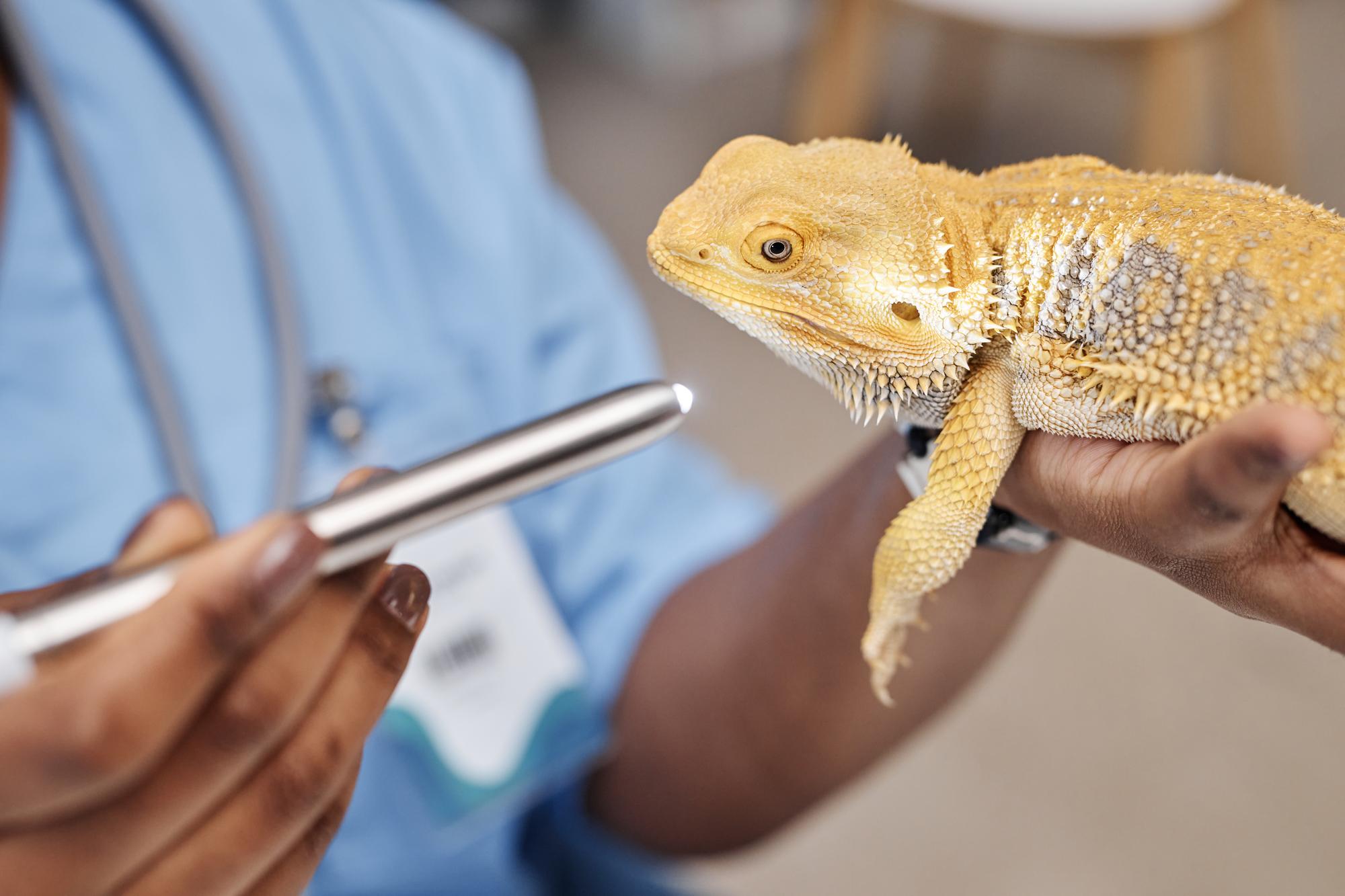
Reptiles, including snakes, lizards, turtles, and tortoises, may show signs such as lethargy, refusal to eat, abnormal shedding, swelling or lumps, open-mouth breathing, cloudy or swollen eyes, and changes in skin color or texture. For aquatic reptiles, spending excessive time out of the water or floating abnormally can also indicate a problem.
Species-Specific Subtleties
Every exotic animal has particular behaviors that may indicate illness. For example, a parrot that suddenly stops talking or a ferret sleeping much longer than usual may be showing early signs of disease. Being familiar with your animal’s normal habits is crucial, as even small changes can be cause for concern.
Why Exotic Pets Get Sick: Common Causes and Risk Factors
Understanding why exotic pets become ill can help owners create a safer, healthier environment and notice problems sooner.
Stress and Husbandry Issues
Improper husbandry is a leading cause of health issues in exotic pets. Inadequate temperature, humidity, lighting, or enclosure setup can contribute to a weakened immune system and make your animal more susceptible to disease. For instance, reptiles need specific temperature gradients and UVB lighting to thrive, while birds require mental stimulation and proper cage hygiene.
Stress is another significant factor. Loud noises, sudden changes in environment, introduction of new animals, or lack of social interaction can suppress immune function in species like birds and ferrets, increasing their risk of illness.
Dietary Imbalances
Many exotic animals have highly specialized dietary needs. Feeding an inappropriate diet can result in nutritional deficiencies or obesity, both of which can lead to a range of health problems. For example, rabbits fed a diet too high in simple carbohydrates can develop gastrointestinal stasis, while birds lacking calcium may suffer from weak bones or egg-laying issues.
Infectious Diseases and Parasites
Exotic pets are susceptible to a number of infectious agents, including bacteria, viruses, fungi, and parasites. Birds may contract respiratory infections, while small mammals are prone to mites, fleas, or fungal diseases. Reptiles can suffer from internal parasites or skin infections if exposed to contaminated environments.
Genetic and Age-Related Conditions
Some exotic pets may inherit conditions that predispose them to certain illnesses. Additionally, as animals age, they become more vulnerable to health issues such as heart disease, arthritis, or cancer. Regular veterinary check-ups become even more important as your companion grows older.
How SweetWater Veterinary Hospital Diagnoses and Treats Exotic Pet Illness
When an exotic animal shows signs of illness, prompt and species-appropriate veterinary care is essential. At SweetWater Veterinary Hospital in Palmetto, our team of veterinarians uses a combination of careful observation, advanced diagnostics, and tailored treatment plans to help your animal recover.
Comprehensive Physical Examinations
A thorough physical examination is the foundation of good exotic animal care. Our veterinarians are trained to detect subtle signs of illness unique to each species. For birds, this may include a close inspection of feathers, beak, and respiratory system. For reptiles and small mammals, the examination focuses on body condition, hydration, oral health, and other critical factors. Learn more about our physical examinations for avian patients, rabbits, and lizards on our website.
Diagnostic Testing
Depending on the symptoms, our veterinary team may recommend bloodwork, fecal analysis, radiographs, or other diagnostic tests. These tools help identify hidden problems such as organ dysfunction, infections, or parasites. We offer specialized diagnostic testing for avian pets and other exotics, ensuring that we can get to the root of the issue quickly and accurately.
Tailored Treatment Plans
Once a diagnosis is made, treatment is customized to your animal’s needs. Approaches may involve medication, nutritional support, fluid therapy, surgery, or environmental modifications. For example, a rabbit with dental disease might require tooth trimming and pain management, while a bearded dragon with a respiratory infection could need antibiotics and adjustments to its habitat temperature and humidity.
Our veterinary professionals will work closely with you to explain the diagnosis, outline treatment options, and provide practical guidance for care at home.
Prevention and Home Care: Keeping Your Exotic Companion Healthy
Proactive care is the best defense against illness in exotic pets. There are several steps you can take to support your animal’s health between veterinary visits.
Proper Husbandry and Nutrition
Ensuring your exotic animal’s enclosure is set up correctly is critical. This means providing the right temperature, humidity, lighting, and enrichment based on your animal’s species. Clean cages, fresh water, and a diet formulated for your bird, reptile, or small mammal are all essential elements. For guidance on avian husbandry or nutrition, SweetWater Veterinary Hospital offers avian husbandry and nutritional counseling.
Environmental Enrichment and Socialization
Many exotic species require mental and physical stimulation to prevent stress-related illnesses. This can include toys, climbing structures, hiding spots, and gentle interaction, depending on species. Birds benefit from daily out-of-cage time and socialization, while small mammals often enjoy tunnels and safe chew toys.
Routine Veterinary Care
Scheduling regular wellness examinations is vital for early detection of health issues. Annual visits allow our veterinary team to monitor your animal’s weight, check for signs of disease, and discuss any changes in behavior or appetite you have observed. Preventive care, such as vaccinations for rabbits or parasite control for reptiles, can also reduce the risk of illness. Our preventative care services are designed to meet the unique needs of exotic animals.
Monitoring at Home
Get to know your animal’s normal behaviors, eating habits, and appearance. Keep a daily record if possible, as this can help you notice subtle changes more easily. Early intervention is often the key to successful treatment of exotic pet illnesses.
When to Schedule a Veterinary Visit: Don’t Wait for Emergencies
Because exotic pets can deteriorate quickly, it is important to act promptly if you notice any signs of illness. If your bird, reptile, rabbit, or small mammal is refusing food for more than 24 hours, has labored breathing, is lethargic, shows neurological symptoms, or displays pronounced changes in droppings or urination, contact SweetWater Veterinary Hospital immediately.
Even if the symptoms seem mild, scheduling a veterinary appointment as soon as you notice a change can make a significant difference in your animal’s health outcome. Our team is here to answer your questions and help you decide when an in-person examination is necessary.
For situations that appear urgent, such as severe bleeding, collapse, seizures, or difficulty breathing, our hospital also provides emergency veterinary care.
Compassionate Exotic Pet Care in Palmetto and Surrounding Communities
Owning an exotic animal is a special commitment, and recognizing the early signs of illness can make all the difference for your companion’s health and happiness. The team of veterinarians at SweetWater Veterinary Hospital is dedicated to providing expert care for birds, reptiles, rabbits, and small mammals in Palmetto and surrounding communities. If you ever find yourself searching for a veterinarian near me who truly understands exotics, you can count on us.
Don’t hesitate to reach out if you notice changes in your animal’s behavior or appearance. To schedule an appointment or learn more about how we can help, call us at (770) 400-0146 or visit our exotic pet care page. At SweetWater Veterinary Hospital, we are here to support you and your unique companion every step of the way.
Sweetwater Veterinary Hospital is proud to serve pet owners in Palmetto and the surrounding communities, including the Atlanta area, LaGrange, Columbus, and Auburn. We look forward to caring for your pets no matter where you call home.
This blog is intended for educational purposes only and is not a substitute for professional veterinary advice. If you have specific concerns about your exotic animal’s health, always consult your veterinarian.