


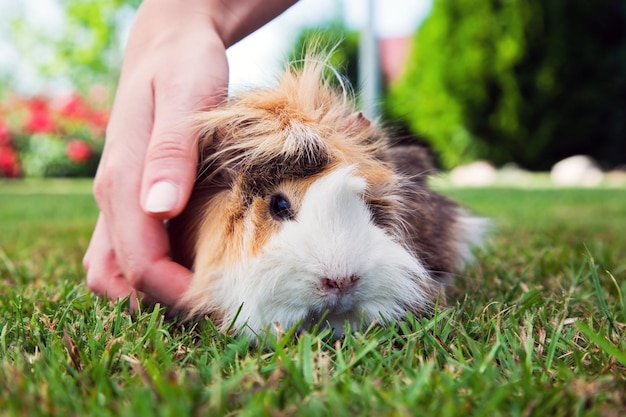
Spring Care Tips for Happy, Healthy Guinea Pigs
Spring Care Tips for Happy, Healthy Guinea Pigs
As spring arrives in Palmetto and the weather begins to warm, many pet owners find themselves wondering how best to care for their guinea pigs during this season of change. Guinea pigs are sensitive, social creatures that benefit from a thoughtful approach to springtime care. At SweetWater Veterinary Hospital, our veterinary team understands that providing the right nutrition, safe environments, and routine health monitoring is crucial for keeping your guinea pig healthy and comfortable as temperatures shift. Whether you are an experienced guinea pig owner or new to caring for these delightful pets, we are here to guide you through practical steps for springtime wellness. In this guide, we will explore how to spot common seasonal issues, the causes behind them, and what you can do at home and with your veterinarian to ensure your guinea pig thrives all season long. If you ever have questions about guinea pig care, our team at SweetWater Veterinary Hospital is here to help you schedule an appointment and get the support you need.
Recognizing Springtime Issues in Guinea Pigs
Caring for guinea pigs during the spring involves understanding the changes that can affect their health and comfort. As temperatures rise and humidity increases in Palmetto and surrounding communities, guinea pigs may experience shifts in their behavior or appearance that signal underlying issues. Key signs to watch for include a sudden decrease in appetite, changes in their droppings, sneezing or wheezing, watery eyes, or itchy skin. You may also notice that your guinea pig becomes less active, hides more often, or seems uncomfortable when handled. These symptoms can sometimes be subtle, making daily observation essential.
Guinea pigs are also prone to respiratory illnesses, which can become more common with the fluctuating spring weather. Environmental changes such as increased pollen or a drafty window can lead to sneezing, coughing, or nasal discharge. In addition, the arrival of spring often brings a higher risk of external parasites, especially if your guinea pig spends any supervised time outdoors. Watch for excessive scratching, hair loss, or visible skin irritation, as these can indicate a problem that requires veterinary attention. Sudden changes in weight, overgrown teeth, and dirty or matted fur are other signs that should prompt a call to your veterinarian.
Why Spring Brings Unique Challenges for Guinea Pigs
Springtime brings longer daylight hours, warmer temperatures, and increased humidity, all of which can impact your guinea pig’s health. As prey animals, guinea pigs are particularly sensitive to environmental stressors and rely on stable, clean habitats to remain healthy. The transition from dry winter air to more humid spring weather can foster the growth of mold and bacteria in bedding, increasing the risk of respiratory problems. Drafts or sudden changes in room temperature can stress guinea pigs and weaken their immune systems, making them more susceptible to infections.
Outdoor time, while enjoyable for many guinea pigs, also introduces potential dangers. Exposure to unfamiliar plants, insects, and temperature extremes can result in digestive upset or skin irritation. Additionally, spring is a season when parasites such as mites, lice, and fleas are more prevalent. These pests can quickly create discomfort for your pet and may even spread to other animals in the household if not addressed promptly.
Dietary needs can also shift slightly during spring. As natural grazing animals, guinea pigs enjoy fresh greens, but sudden changes in diet or the introduction of outdoor vegetation can sometimes upset their digestive system. Ensuring that any new foods are introduced gradually and are safe for guinea pigs is essential to prevent gastrointestinal issues.
Professional Care and Preventive Veterinary Services
A proactive approach to springtime care can make all the difference for your guinea pig’s health and happiness. Scheduling a routine wellness examination for guinea pigs at SweetWater Veterinary Hospital is one of the best ways to catch early signs of illness or discomfort. During these visits, our veterinarians will carefully examine your guinea pig for dental issues, respiratory health concerns, skin conditions, and any subtle changes that may indicate a problem. Regular checkups allow us to address small concerns before they become bigger health challenges.
Dental health is especially important for guinea pigs, as their teeth grow continuously. Our dental care services for guinea pigs include checking for overgrown teeth, malocclusion, and mouth sores that can be aggravated by dietary changes in spring. We also offer nutritional counseling for guinea pigs to help you provide a balanced, safe diet tailored to your pet’s needs. If your guinea pig shows signs of respiratory distress, such as frequent sneezing or labored breathing, our respiratory health services can help identify and treat underlying issues promptly.
Parasite prevention is another critical aspect of spring care. Our parasite control options for guinea pigs can protect your pet from common pests and reduce the risk of skin irritation or secondary infections. If you notice any changes in your guinea pig’s behavior, coat, or appetite, diagnostic testing is available to pinpoint the cause and guide appropriate treatment. Comprehensive exotic pet care is available for all small mammals, including guinea pigs, ensuring your pet receives care tailored to their species-specific needs.
Home Care Tips for Spring Wellness
There are many steps you can take at home to keep your guinea pig healthy and comfortable throughout the spring. Start by ensuring your pet’s enclosure is placed in a draft-free, well-ventilated area away from direct sunlight and extreme temperature changes. Clean the habitat regularly, removing soiled bedding and uneaten food to prevent the buildup of mold and bacteria. Consider switching to a dust-free, absorbent bedding that helps control moisture and allergens.
When offering outdoor time, always supervise your guinea pig closely and limit exposure to unfamiliar plants or potential hazards. Provide a secure playpen or enclosed area with shade and clean, untreated grass. Gradually introduce any new greens into your guinea pig’s diet, and always wash them thoroughly to remove pesticides or contaminants. Fresh hay should be available at all times, as it supports both digestive and dental health.
Grooming is another important aspect of spring care. Long-haired guinea pigs benefit from regular brushing to remove loose fur and prevent mats. Short-haired breeds should also be checked for signs of skin irritation, parasites, or wounds. Monitor your guinea pig’s nails and trim them as needed to prevent overgrowth, which can be more common with increased springtime activity.
Hydration is key, especially as temperatures rise. Ensure your guinea pig has access to clean, fresh water at all times, and check water bottles daily for leaks or clogs. Providing a variety of safe, vitamin C-rich vegetables can also support immune health during seasonal changes.
When to Seek Veterinary Care for Your Guinea Pig
While many springtime health concerns can be managed with proper home care, there are situations where professional veterinary attention is required. If your guinea pig shows signs such as persistent sneezing, labored breathing, or discharge from the eyes or nose, these may indicate a respiratory infection that needs prompt treatment. Sudden weight loss, refusal to eat, or changes in droppings can signal dental disease, digestive upset, or other underlying problems that require a veterinarian’s evaluation.
It is also important to seek veterinary care if you notice bald patches, redness, or sores on your guinea pig’s skin, as these may be signs of parasites or infection. Excessive scratching or changes in coat quality should never be ignored. Additionally, if you observe lethargy, unusual aggression, or difficulty moving, call our veterinary professionals for guidance.
Guinea pigs are masters at hiding signs of illness, so any sudden or concerning changes should be taken seriously. Scheduling regular wellness exams is an excellent way to ensure your pet stays healthy year-round, but emergency visits may be necessary if your pet’s condition changes quickly. Our team at SweetWater Veterinary Hospital is experienced with exotic pets and can provide supportive, compassionate care when your guinea pig needs it most.
Keeping Your Guinea Pig Happy and Healthy All Spring
Spring is a wonderful time to connect with your guinea pig and enjoy the renewal the season brings. By understanding the unique needs of guinea pigs during this time of year, you can take proactive steps to support their wellbeing. Key takeaways include monitoring for subtle signs of illness, providing a clean and safe environment, offering a balanced diet, and making time for regular grooming and health checks. Remember, our veterinary team at SweetWater Veterinary Hospital is here to partner with you in your pet’s care.
If you have questions about guinea pig health, or if you would like to schedule a wellness examination to ensure your pet is thriving, reach out to us at (770) 400-0146 or visit our hospital at 815 Weldon Road, Palmetto, GA 30268. You can also explore our wellness examination options for guinea pigs or learn more about nutritional counseling for guinea pigs to help your pet stay healthy year-round. When searching for a veterinarian near me, trust SweetWater Veterinary Hospital to provide the expert, compassionate care your guinea pig deserves all season long.
This article is intended for informational purposes only and should not replace professional veterinary advice. If you have concerns about your guinea pig’s health, please consult with a veterinarian for personalized guidance.
Sweetwater Veterinary Hospital is proud to serve pet owners in Palmetto and the surrounding communities, including the Atlanta area, LaGrange, Columbus, and Auburn. We look forward to caring for your pets no matter where you call home.