


Understanding Radiology for Exotic Pets in Palmetto
Understanding Radiology for Exotic Pets in Palmetto
Exotic animal guardians know that birds, reptiles, and small mammals often mask signs of illness, making early diagnosis a real challenge. If you’ve ever wondered how veterinarians get a clear picture of what’s going on inside these unique species, you’re not alone. Radiology, or X-ray imaging, has become an essential part of advanced exotic animal medicine, offering valuable insights that aren’t always visible through a physical exam alone. At SweetWater Veterinary Hospital, located at 815 Weldon Road, Palmetto, GA 30268, our team is dedicated to providing high-quality, affordable veterinary care for a wide range of species—including birds, reptiles, small mammals, and more. In this blog, we’ll take a close look at how radiology works for exotic pets, explore which conditions X-rays can help diagnose, and explain why having access to advanced imaging is especially important for exotic animals in Palmetto’s warm August climate.
Whether you are caring for a parrot, bearded dragon, guinea pig, or even a pet chicken, understanding the role of veterinary imaging can help you make informed decisions about your animal’s health. We’ll cover the signs that might prompt your veterinarian to recommend an X-ray, what to expect during the imaging process, and how our hospital’s specialized approach supports the wellbeing of your unique companions. For those interested in learning more about our approach to exotic pet care, SweetWater Veterinary Hospital is proud to offer comprehensive services backed by experience and compassion.
When Might Your Exotic Animal Need Radiology?
Many exotic species are skilled at hiding illness, so it’s important to recognize subtle warning signs that could indicate an underlying problem. The decision to use radiology often starts with a change in behavior or appearance that can’t be explained by a physical exam alone. Symptoms that might prompt your veterinary team to recommend X-rays include sudden weight loss, reduced appetite, difficulty breathing, abnormal posture, or unexplained swelling. For birds, signs such as fluffed feathers, sitting at the bottom of the cage, or changes in vocalization can be clues. Reptiles may show signs like lethargy, trouble moving, or abnormal shedding. Small mammals, such as guinea pigs, rabbits, or ferrets, often present with decreased activity, labored breathing, or changes in elimination habits.
Sometimes, the need for radiology arises when an animal is injured or suspected of ingesting a foreign object. For example, a bird that has fallen from a perch or a ferret that’s experiencing abdominal pain may benefit from X-ray imaging to rule out fractures or blockages. In all these cases, prompt diagnostic evaluation can make a significant difference in the outcome for your exotic companion.
If you notice any of these signs, it’s important to contact your veterinary team for guidance. Early intervention, supported by diagnostic imaging, can provide critical information needed to guide treatment decisions and improve your animal’s chances of recovery.
How Radiology Works for Exotic Species
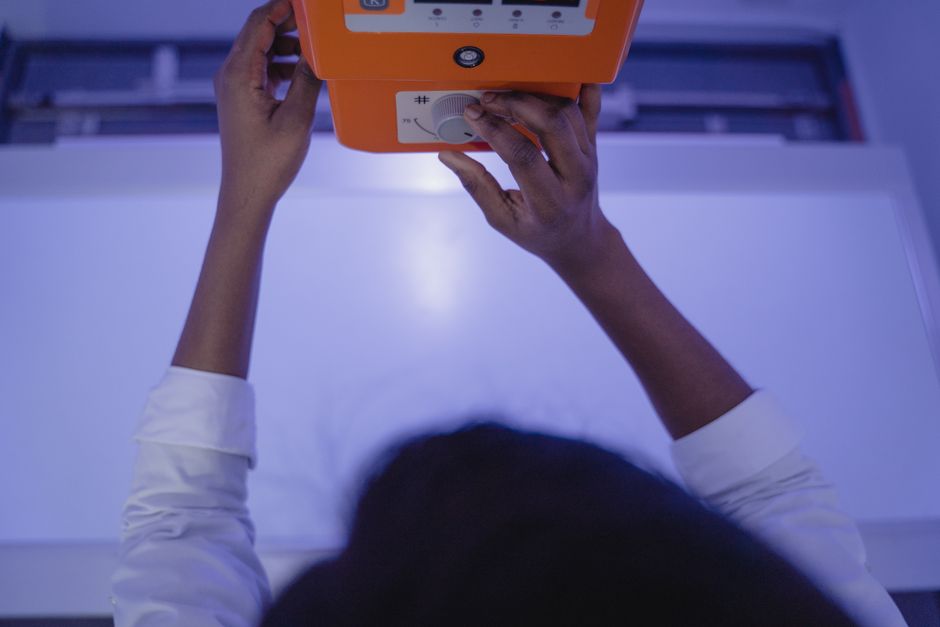
Unlike cats and dogs, exotic pets come in a wide range of sizes and body shapes, which means that imaging these animals requires specialized skills and equipment. Radiology uses controlled doses of X-ray radiation to create images of the internal structures of the body, such as bones, organs, and sometimes even soft tissues, depending on the species and the quality of the equipment. At SweetWater Veterinary Hospital, our veterinarians are experienced in handling and positioning exotic animals safely and comfortably for radiographic procedures, minimizing stress for both the animal and the owner.
For birds, radiology can reveal skeletal fractures, air sac health, organ enlargement, or the presence of eggs. In reptiles, X-rays are often used to diagnose conditions like metabolic bone disease, pneumonia, or reproductive issues such as egg binding. Small mammals benefit from radiology to assess dental disease, gastrointestinal blockages, or respiratory illness. Each species presents unique challenges; for example, birds have hollow bones and air sacs that require special technique, while reptiles may need to be imaged at different angles to visualize internal organs through their shells or scales.
If you are curious about what to expect for your specific species, our Diagnostic Testing (Avian) and Diagnostic Testing (Lizards) pages offer more detailed information about the imaging process for birds and reptiles.
Common Conditions Diagnosed with Exotic Animal X-rays
Radiology is a powerful tool in the diagnosis of a wide variety of conditions in exotic animals. In avian patients, X-rays frequently help detect respiratory infections, fractures, tumors, and problems with the liver or kidneys. They can also reveal foreign objects or heavy metal ingestion, which can be life-threatening if not promptly addressed.
For reptiles, radiology is essential for diagnosing metabolic bone disease—a common issue in species like bearded dragons or turtles due to improper lighting or calcium imbalances. X-rays can also help identify the presence of eggs, reproductive complications, respiratory infections, and even bladder stones. Small mammals, including guinea pigs, rabbits, and ferrets, often experience dental problems that can be visualized on radiographs. Additionally, X-rays can uncover gastrointestinal blockages, pneumonia, or abdominal tumors.
Ferrets, as another example, may need radiology if they present with coughing, difficulty breathing, or abdominal swelling, as imaging can reveal heart disease, enlarged organs, or masses. To see what this process looks like for ferrets, visit our Ultrasound X-Rays (Ferrets) page.
What to Expect During an Exotic Pet X-ray at SweetWater Veterinary Hospital
When you bring your exotic animal to SweetWater Veterinary Hospital for radiology, our veterinary professionals are committed to making the experience as safe and stress-free as possible. The process usually begins with a thorough physical examination and discussion of your animal’s history, followed by the decision to proceed with imaging. Because exotic species can become stressed easily, our team uses gentle handling and, when necessary, mild sedation to keep your animal calm and still during the procedure.
The X-ray session itself is quick; our digital equipment produces high-quality images within minutes, allowing for rapid assessment. Depending on the findings, your veterinarian will discuss results with you, explain what the images reveal, and recommend next steps for treatment or further diagnostics.
We encourage open communication and welcome your questions at every stage. For more information on our full range of imaging capabilities, including radiology and ultrasound for other species, our Pet Digital Radiology overview explains how these technologies benefit all animals in our care.
How Radiology Guides Treatment Decisions
The information gained from radiology plays a crucial role in forming a treatment plan for exotic pets. For example, if a bird’s X-rays show signs of pneumonia, your veterinarian may recommend targeted antibiotics and supportive care. In reptiles, an X-ray can reveal egg binding that might require medical intervention or, in some cases, surgery. Small mammals with dental disease can benefit from early identification of overgrown teeth, allowing for corrective procedures before more severe complications develop.
Sometimes, radiology identifies issues that require additional diagnostics, such as bloodwork or ultrasound, to confirm a diagnosis. The most important benefit is the ability to see what’s happening inside your animal without invasive surgery, leading to faster, more accurate care.
Preventive Care and Home Monitoring for Exotic Pets
While radiology is a valuable diagnostic tool, prevention remains the cornerstone of exotic animal health. Proper husbandry is essential for minimizing the risk of many conditions that X-rays detect. This includes providing balanced nutrition, appropriate lighting and temperature control for reptiles, regular cage or enclosure cleaning, and safe enrichment activities to encourage natural behaviors. Routine veterinary check-ups are an opportunity to catch subtle health changes before they become serious problems.
At SweetWater Veterinary Hospital, we believe that well-informed guardians make the best decisions for their animals. Our team is happy to provide husbandry counseling tailored to your species, helping you create the best possible environment and minimize risks that could lead to illness or injury.
If you are monitoring your animal at home, pay close attention to changes in weight, appetite, behavior, or physical appearance. Promptly reporting these changes to your veterinarian can lead to earlier diagnosis and better outcomes.
When to Seek Veterinary Care for Your Exotic Animal
Because exotic pets excel at hiding illness, timely veterinary care is critical whenever you notice changes that concern you. If your bird, reptile, or small mammal is eating less, acting lethargic, has visible injuries, trouble breathing, or just doesn’t seem right, do not delay in seeking professional help. Some conditions—such as egg binding in reptiles, respiratory distress in birds, or gastrointestinal blockages in small mammals—are true emergencies where immediate diagnostic imaging can be lifesaving.
Never attempt to diagnose or treat complex health problems at home; X-ray interpretation and appropriate follow-up care require professional training and experience. Our veterinary team at SweetWater Veterinary Hospital is experienced in handling exotic species and can guide you through the best steps for your animal’s situation.
If you’re ever unsure, err on the side of caution and schedule an appointment with our veterinarians. Early intervention almost always leads to better outcomes for exotic animals.
Trust SweetWater Veterinary Hospital for Exotic Radiology in Palmetto
Exotic animal guardians in Palmetto and surrounding communities deserve compassionate, expert care tailored to their unique species. Radiology is a powerful tool in the modern veterinary toolkit, enabling earlier diagnosis, more accurate treatment, and better health outcomes for birds, reptiles, and small mammals. At SweetWater Veterinary Hospital, we are proud to offer advanced imaging alongside a full spectrum of exotic pet care services. Our approach combines experienced veterinary professionals, modern equipment, and a genuine commitment to your animal’s wellbeing.
If you have questions about radiology for exotic pets, or if you are searching for a veterinarian near me who truly understands the needs of birds, reptiles, or small mammals, we invite you to contact our team. Call us at (770) 400-0146 to schedule an appointment, or visit our hospital at 815 Weldon Road, Palmetto, GA 30268 for compassionate, expert care.
For more detailed information on our imaging or diagnostic services for specific species, explore our pages on Diagnostic Testing (Guinea Pigs) or Diagnostic Testing (Snakes).
Your exotic companion’s health and happiness are our highest priorities. Let SweetWater Veterinary Hospital be your trusted partner in every stage of care.