


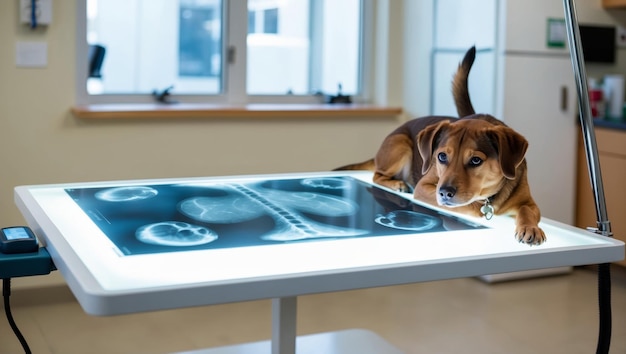
When Does Your Dog Need an X Ray in Palmetto?
When Does Your Dog Need an X Ray in Palmetto?
As a dedicated pet owner in Palmetto, you want to do everything possible to keep your dog healthy and happy. You may have heard your veterinarian mention a dog x ray during a recent visit, or perhaps you are wondering if this diagnostic tool could help uncover the cause of your pet’s discomfort. At SweetWater Veterinary Hospital, located at 815 Weldon Road in Palmetto, our team of veterinarians uses advanced digital radiology to diagnose a wide range of health conditions in dogs. In this guide, we’ll explain when your dog might need an x ray, what the process involves, and how prompt imaging can make a real difference for your pet’s wellbeing. Whether you’re dealing with a sudden injury or an ongoing health issue, understanding the role of a dog x ray can empower you to make the best decisions for your companion’s care.
Recognizing When Your Dog Might Need an X Ray
It’s natural to worry when your dog seems unwell, is limping, or is simply not acting like themselves. But how can you tell if a dog x ray is necessary? Our veterinarians often recommend x rays when there are symptoms that suggest a deeper issue beneath the surface. Typical signs that may prompt a discussion about digital radiology include persistent lameness, noticeable swelling, unexplained pain, difficulty breathing, episodes of vomiting, or sudden changes in eating habits. In some cases, your dog may have experienced trauma, such as a fall or car accident, and an x ray becomes crucial to check for fractures or internal injuries.
Other scenarios where a dog x ray may be helpful involve chronic health conditions. If your dog has a history of coughing, unexplained weight loss, or urinary issues, imaging can reveal abnormalities within the chest, abdomen, or urinary tract. Occasionally, routine wellness examinations uncover subtle clues—like heart murmurs or abdominal discomfort—where an x ray offers the next step in pinpointing the cause. At SweetWater Veterinary Hospital, we work closely with you to identify any warning signs and determine if digital radiology might be the best approach for your pet’s needs. If you’re curious about what digital imaging can reveal, you can explore our Pet Digital Radiology services for more details.
Why Do Dogs Need X Rays? Common Causes and Conditions
The reasons for recommending a dog x ray are as varied as the dogs we care for. Fractures and orthopedic concerns are among the most common, especially if a dog has suffered an injury or is suddenly unable to use a limb. Joint problems such as arthritis or hip dysplasia often require imaging to confirm a diagnosis and guide treatment. Sometimes, x rays are used to detect foreign objects that a curious dog may have swallowed; these can get stuck in the digestive tract and lead to dangerous blockages.
Respiratory issues provide another reason for x rays. If your dog is coughing, struggling to breathe, or has unusual chest sounds, radiology can help us assess the lungs and heart. For senior dogs, routine x rays may be recommended to monitor for tumors, heart enlargement, or changes in organ size that come with age. Additionally, dental x rays play a vital role in identifying hidden tooth root problems or bone loss that cannot be seen during a visual exam alone.
There are also specific instances where an x ray supports the diagnosis of abdominal conditions, such as bladder stones, enlarged organs, or masses. Our veterinary professionals may combine x rays with other diagnostic tests, like Pet Diagnostic Lab work, to provide a comprehensive picture of your dog’s health. Every dog, from playful puppies to wise seniors, can benefit from timely imaging when symptoms suggest something more serious is occurring beneath the surface.
What to Expect: How the Dog X Ray Process Works
If your veterinarian recommends a dog x ray, you may have questions about what the process involves and how your pet will be kept safe and comfortable. At SweetWater Veterinary Hospital, we use state-of-the-art digital x ray technology that produces clear images with minimal exposure time. The process typically begins with a physical examination, where our veterinary team assesses your dog’s condition and decides what area needs to be imaged.
Sweetwater Veterinary Hospital is proud to serve pet owners in Palmetto and the surrounding communities, including the Atlanta area, LaGrange, Columbus, and Auburn. We look forward to caring for your pets no matter where you call home.
During the procedure, your dog will be gently positioned on a padded table, and our veterinary professionals will use supportive techniques to minimize movement. In some cases, mild sedation may be recommended—particularly if the area to be imaged is painful, or if your dog is anxious or unable to stay still. Most dogs tolerate the process very well, and the entire procedure is usually completed within minutes.
Digital x rays provide immediate results, allowing our veterinarians to review the images and discuss findings with you during your appointment. This quick turnaround is especially valuable in emergency situations or when swift intervention is necessary. Our advanced equipment also makes it possible to share images with specialists or keep a detailed health record for future reference. If further imaging is needed, such as an ultrasound, we can guide you toward the next steps right here at our Palmetto location.
How X Rays Help Guide Treatment and Next Steps
The information gained from a dog x ray is invaluable in shaping an effective treatment plan. For orthopedic injuries like fractures, the images help us determine whether surgery, splinting, or rest will be needed. In cases where arthritis or joint disease is discovered, x rays allow us to tailor pain management and mobility strategies to your dog’s specific condition.
If a swallowed object is seen on imaging, our veterinarians can quickly decide whether endoscopy, surgery, or careful monitoring is the safest approach. When x rays reveal tumors or organ enlargement, we may recommend additional diagnostics, such as laboratory testing or Pet Ultrasound services, to further clarify the diagnosis.
For chronic illnesses, regular x rays can track the progression of disease and evaluate how well treatments are working. This is especially important for senior pets, where subtle changes can make a significant difference in quality of life. Our Senior Pet Care program often includes imaging as part of a comprehensive wellness plan, ensuring that age-related conditions are detected and managed as early as possible. Throughout every step, our team of veterinarians will work with you to explain findings and answer any questions, so you feel confident in the care your pet receives.
Helping Your Dog at Home and Preventing Problems
While some health issues are unavoidable, there are steps you can take at home to reduce your dog’s risk of injuries and chronic diseases that may require a dog x ray. Providing a safe environment, keeping hazardous objects out of reach, and supervising playtime—especially with high-energy dogs—can prevent many accidents. For older dogs, using ramps or non-slip mats can minimize the risk of falls and orthopedic problems.
Nutrition and weight management play a vital role in joint and organ health. Feeding a balanced diet, maintaining a healthy weight, and ensuring regular exercise help prevent conditions such as arthritis and heart disease. Staying up to date on parasite prevention and vaccinations further supports long-term wellness.
Routine wellness examinations with our veterinary professionals are the best way to catch problems early, before they escalate into emergencies. During these visits, we may recommend screening x rays based on your dog’s age, breed, or health history. If you’re unsure when your dog’s last checkup was, you can learn about the importance of regular wellness examinations for maintaining lifelong health.
When to Schedule a Dog X Ray: Knowing When to Seek Veterinary Care
Deciding when to visit the veterinarian for a dog x ray can feel overwhelming, especially if your pet’s symptoms are subtle or come and go. As a rule of thumb, any persistent pain, unexplained swelling, difficulty breathing, or sudden changes in behavior should prompt a call to your veterinary clinic. If your dog has suffered any kind of trauma, such as being hit by a car or falling from a height, immediate evaluation is critical—even if outward injuries seem minor.
Chronic symptoms, like coughing, vomiting, or limping that last more than a day or two, are also signals that imaging may be needed. Remember, dogs are experts at hiding discomfort, so even small changes can indicate a bigger problem. Our veterinary team at SweetWater Veterinary Hospital is here to help you assess when imaging is appropriate and to guide you through the process with compassion and expertise.
If you ever feel unsure, it is always better to err on the side of caution and schedule an appointment. Our clinic in Palmetto is committed to providing clear answers and peace of mind for you and your pet.
Choosing SweetWater Veterinary Hospital for Your Dog’s X Ray in Palmetto
At SweetWater Veterinary Hospital, we believe that early diagnosis leads to better outcomes and a happier, healthier life for your dog. Our advanced digital x ray technology, combined with the expertise of our veterinary professionals, ensures that your pet receives the most accurate and comfortable care possible. From routine health checks to urgent concerns, we are here to support you at every stage.
If you are searching for a trusted vet near me, or if you think your pet may need a dog x ray in Palmetto, we welcome you to reach out to our compassionate team. Schedule an appointment today by calling (770) 400-0146 or visit us at 815 Weldon Road, Palmetto, GA 30268. For more information about how our Pet Digital Radiology services can benefit your dog, explore our website or connect with our veterinary team directly.
Your dog’s comfort, safety, and long-term wellness are always our top priorities. Let us help you keep your best friend healthy and by your side for years to come.
This article is intended for educational purposes only and does not replace professional veterinary advice. Always consult your veterinarian for specific concerns about your pet’s health.